Categories
This Film Is More Than 100 Years Old

Two-Color Kodachrome Test Shots No. III (1922)

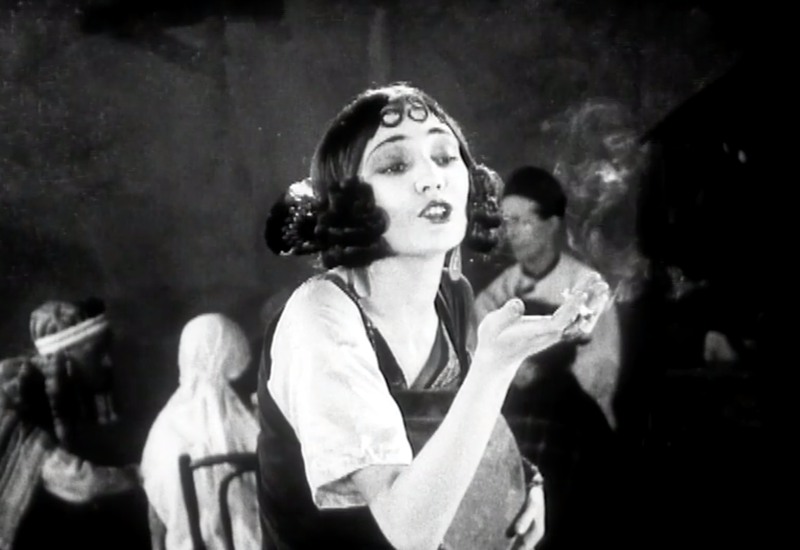
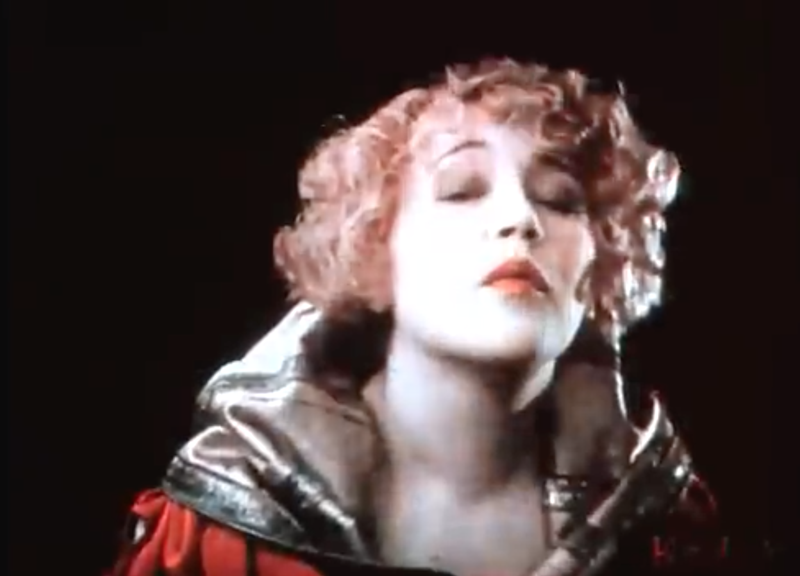
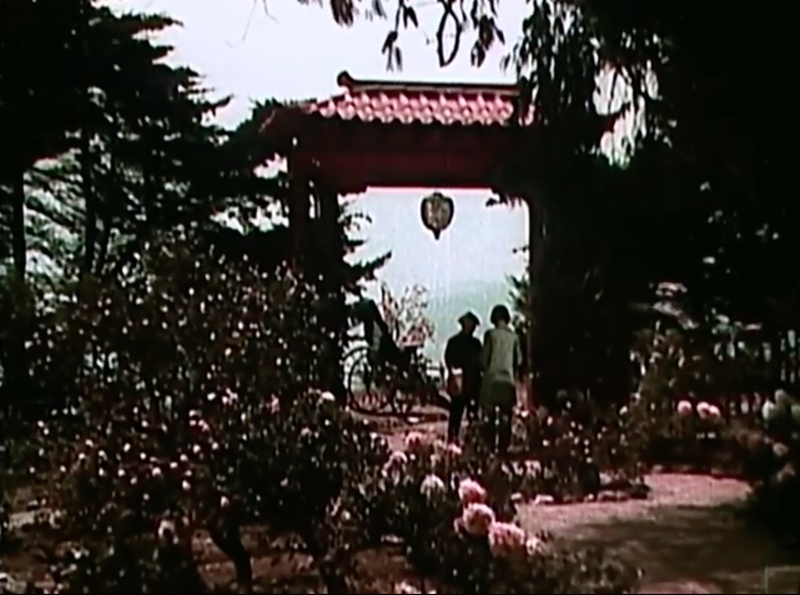
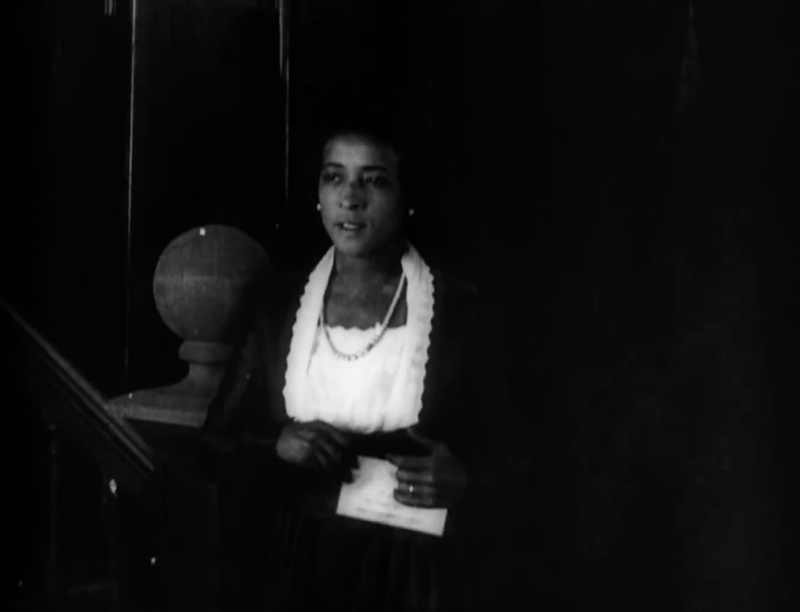
Two-Color Kodachrome Test Shots No. III is, unsurprisingly, a compilation of test footage shots using Kodak’s two-color Kodachrome film, directed by the pioneering Kodak engineer John Capstaff, and featuring portraits of various silent era film actresses (Mae Murray, Mary Eaton, and Hope Hamilton) smiling sweetly for the camera (but in colour!).

A hundred years now they’ve been smiling. And may they smile on for at least a hundred more.

_________

Notes

1. I originally watched this on youtube

2. But the version on vimeo is slightly longer.

3. And features some landscape footage as well as the portraits.

4. Which is nice.

5. Although this is test footage for a product called Kodachrome, it shouldn’t be confused with the more famous Kodachrome (the colour photograph film), which wasn’t released until 1935.

6. By which time this Kodachrome had been all but forgotten for some reason.

7. Also this film ties in neatly with a couple of the last few things I wrote about on here: The Toll Of The Sea (for impressive early use of colour); and the 1923 FA Cup line up film (for lingering filmed portraits of people).

8. There was also a nice few bits of portrait shots at the end of the Pram Race video too, so basically everything I’ve written about in the last six months or so is referenced here somehow.

9. But anyway if you want to read my observations about colour film and/or how much I like semi static portraits of people, please read the notes in those pieces.

10. Which may or may not be of interest to anyone but me.

_________

Film Information

Title: Two-Color Kodachrome Test Shots No. III (1922)
Director: John Capstaff
Year: 1922
Duration: 7 minutes
Watch: youtube; vimeo

Categories
This Film Is 100 Years Old This Film Is More Than 100 Years Old

Plymouth’s Pram Derby (1923) / Plymouth’s First Air Mail Test Trip (1923) / Cinematographic View of the Royal Albert Bridge (1901)

Three short bits of documentary film about Plymouth.

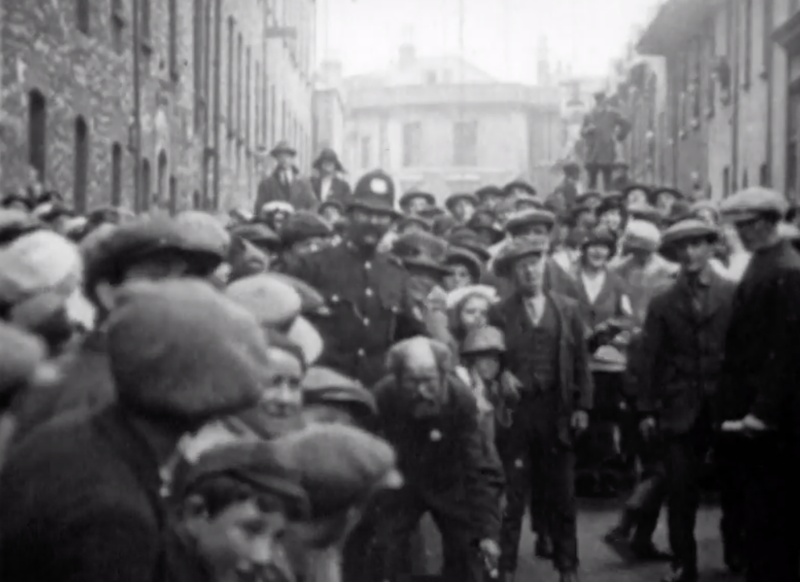
Plymouth’s Pram Derby is 3 glorious minutes depicting the titular event from 1923. Wild be-hatted crowds, determined women competing for some arbitrary prize, and finally three surprisingly sweet portraits of the winners. I loved basically all of this.

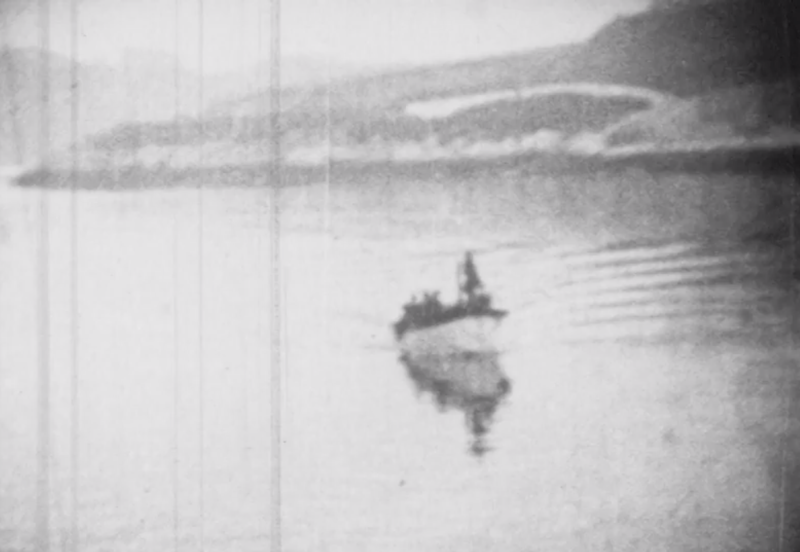
Plymouth’s First Air Mail Test Trip (also from 1923, and shot, as the pram race was, by G.E. Prance) isn’t half as good, consisting of 2 minutes of bowler-hatted men holding up sacks while looking as proud as can be. I did like the atmospheric shot of a boat arriving at the start, however, which almost made up for the lack of aeroplane action.

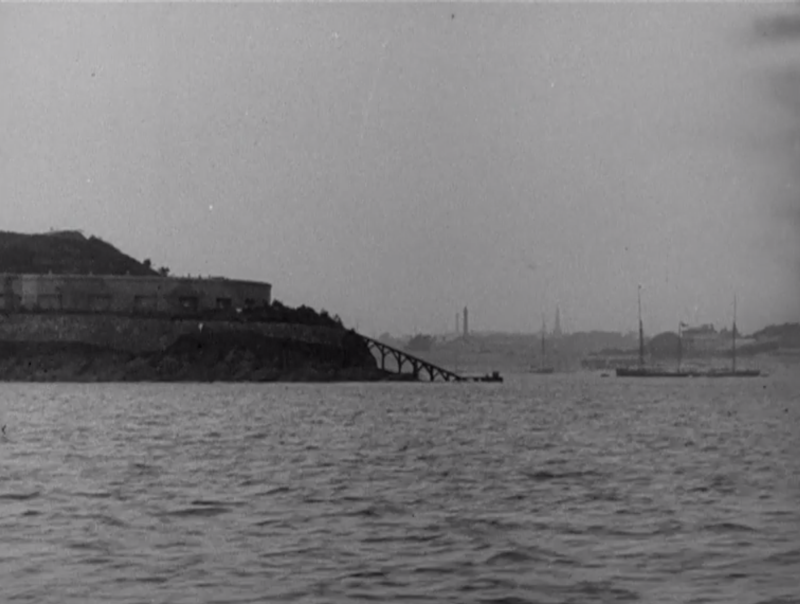
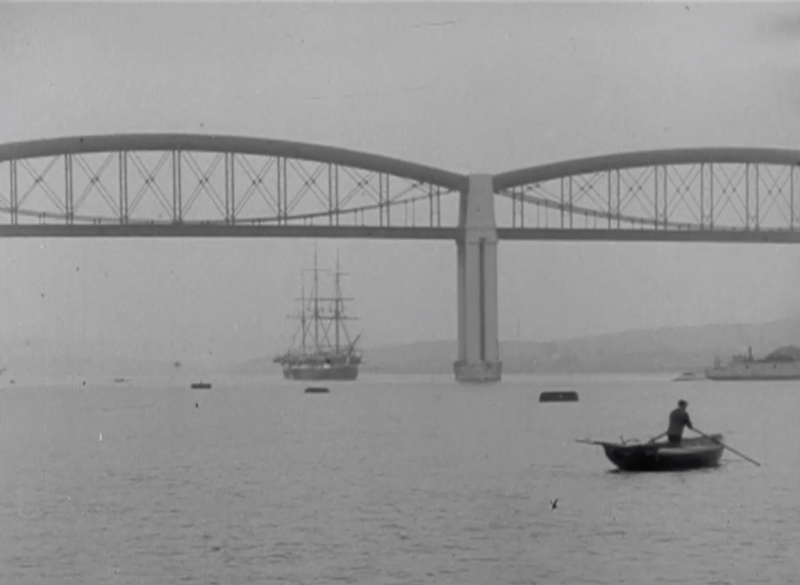
The final film here is from 1901, and directed by Sagar Mitchell and James Kenyon (whose documentary footage I’ve included a couple of times here before, although I probably should have watched more). Cinematographic View of the Royal Albert Bridge is five whole minutes of incredibly beautiful footage of ships and coast, taken from a camera mounted on another ship in the harbour, before it eventually arrives at Brunel’s Royal Albert Bridge.

The still pictures don’t really do the footage justice, losing the breathtaking beauty of the parallaxing scroll as the camera smoothly sails across the sea. You can still get a nice look in th epicture below at the weird futurism as these archaic looking ships sail past the massive bridge from some far distant future at the end though (futurism that is doubly weird because the bridge was built in 1865.)

In conclusion, I like ships and boats, I suppose. And the sea.

And prams.

__________

Notes:

1. I watched all these on the BFI Player. Prams/Planes/Boats

2. I went to Plymouth recently. I hurt my knee, got accosted by some drunk, and then caught covid.

3. Great day out, would recommend.

4. But apart from that it was quite nice.

5. Actually the best bit was where they’d tried to bury any evidence that there had ever been a crazy golf course down by the seafront, so now all the old holes looked like ancient barrows for some long dead sequence of viking kings.

___________

Film Information

Title: Plymouth’s Pram Derby
Director: G.E. Prance
Year: 1923
Duration: 3 minutes
Watch: BFI Player

Title: Plymouth’s First Air Mail Test Trip
Director: G.E. Prance
Year: 1923
Duration: 2 minutes
Watch: BFI Player

Title: Cinematographic View of the Royal Albert Bridge
Directors: Mitchell and Kenyon
Year: 1901
Duration: 5 minutes
Watch: BFI Player

Categories
This Film Is More Than 100 Years Old

The Toll Of The Sea (1922)

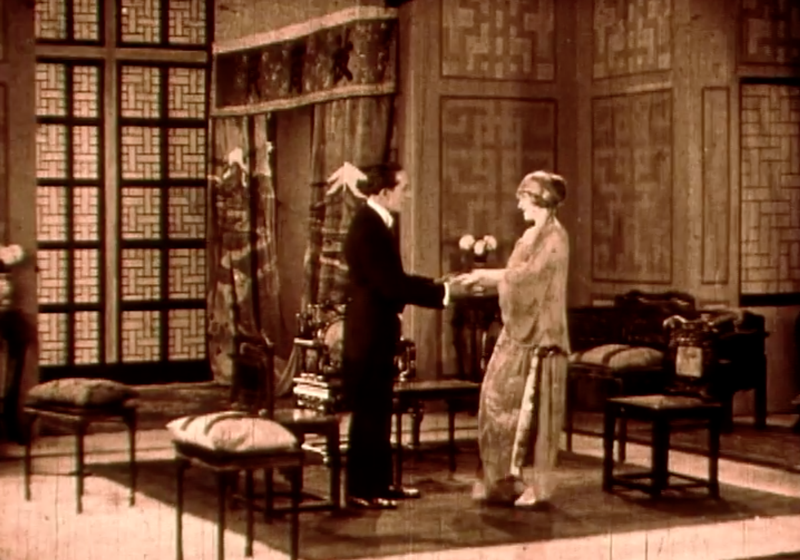
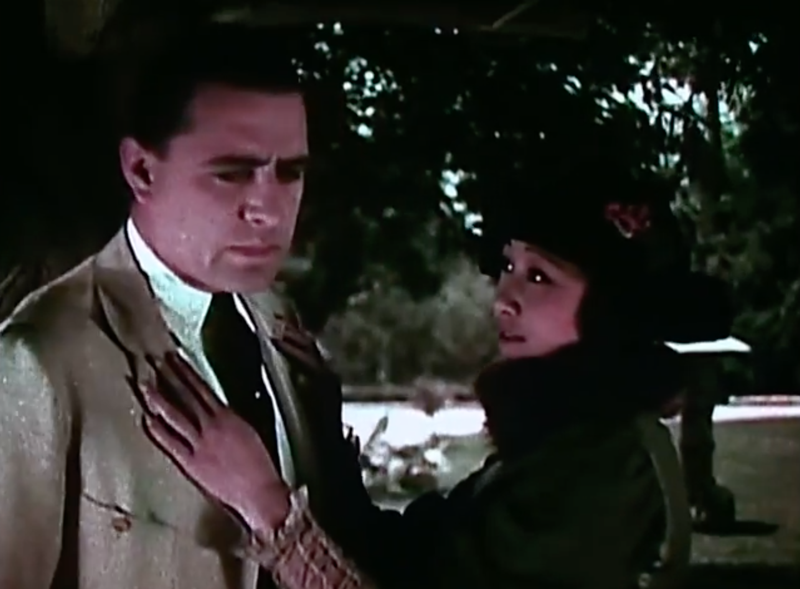
The Toll Of The Sea is an uncredited adaptation of Madame Butterfly, written by Frances Marion, directed by Chester M. Franklin and starring Anna May Wong. It was the second film to be filmed in Technicolor (and the oldest surviving one), and at least the third film version of Madame Butterfly (after an American version from 1915, and a German version, directed by Fritz Lang, from 1919).

This seems to be the first version that actually uses Asian actors in the Asian roles (although Hollywood went back to it’s usuall racist casting decisions in the 1932 Cary Grant version).

I’ve never actually read or seen any version of Madame Butterfly before (not even the Cronenberg version), so I don’t know how much this deviates from the template it’s based on (beyond this being set in China rather than Japan).

In this, Anna May Wong plays Lotus Flower, a Chinese teenager who saves an American serviceman from drowning and then subsequently falls in love with him, a love he reciprocates by, er, getting her pregnant then going back to America to live with his actual wife. Sadness and tragedy ensue.

One of the interesting things about the film is that, because the colour filming process needed lots of light, the entire thing is filmed outside (even the very occasional interior scenes are filmed outside), which feels like a complete reversal of usual studio films.

Combined with the muted colour palette, it lends the whole thing a sort of nostalgic picture postcard look (which I assume is actually the opposite of what it would have looked like at the time, when it must have looked almost impossibly futuristic).

___________

Notes

1. I watched this on youtube.

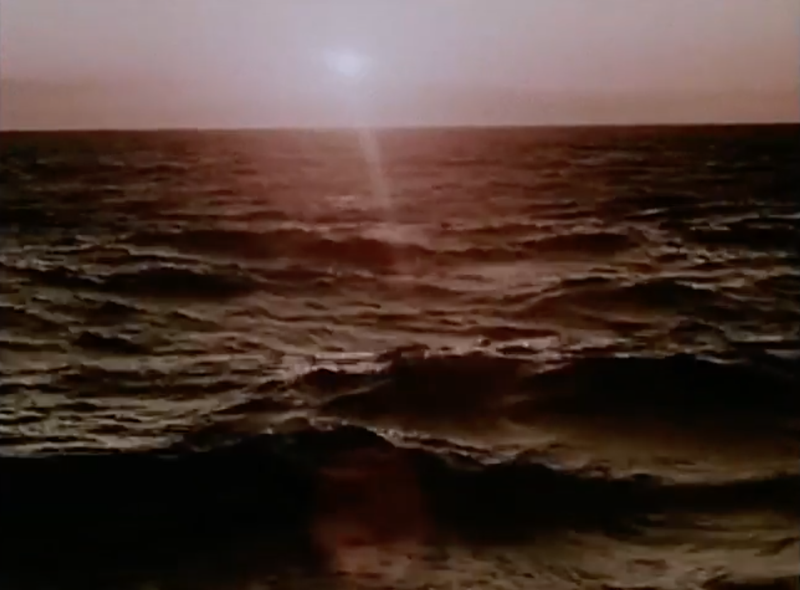
2. The final reel of this is lost, so for this restored version (from 1985) they just filmed a sunset and then put in a title card implying she’s drowned herself (hence the title).

3. That’s a spoiler I suppose.

4. But anyway that’s why that picture of the sun setting over the sea up there looks different from the other screenshots.

5. I’ve always found it interesting how colour films took 50 years or so to kill off black and white, but sound films killed off silent movies in about 3 years.

6. Silent films only really making a comeback until whenever pop videos took off

7. There was a nice article in the guardian about Anna May Wong last year (when it was actually 100 years since this film came out)

8. She’s really great in this, especially as she would have only been 16 or 17 when this was filmed, I think

9. The only other thing I’ve seen her in is The Thief Of Bagdad (made in 1924! Don’t tell anyone I’ve seen into the future!), and she’s great in that too.

10. Even if she is only in it a bit.

11. I’d quite like to have one of those American coins with her face on it too.

12. Though I suspect I never will.

13. Also, here’s a list of the oldest colour feature films.

14. It’s kind of depressing as always how many of these are lost.

15. And has also reminded me that I never actually wrote an article about all the early attempts at colouring films (tinting, stencil colouring, etc).

16. Which I was going to at some point.

17. But I forgot.

18. Due to laziness.

19. (Please don’t hate me)

20. Also I didn’t understand this film at all (on an emotional level). I suppose that’s my review.

_________

Film Information

Title: The Toll Of The Sea
Director: Chester M. Franklin
Year: 1922
Duration: 53 minutes
Watch: youtube

Categories
This Film Is 100 Years Old

The Cup Shall Come South! (1923) / Cup Final 1923 (1923) / Getting Ready For Cup Final (1923)

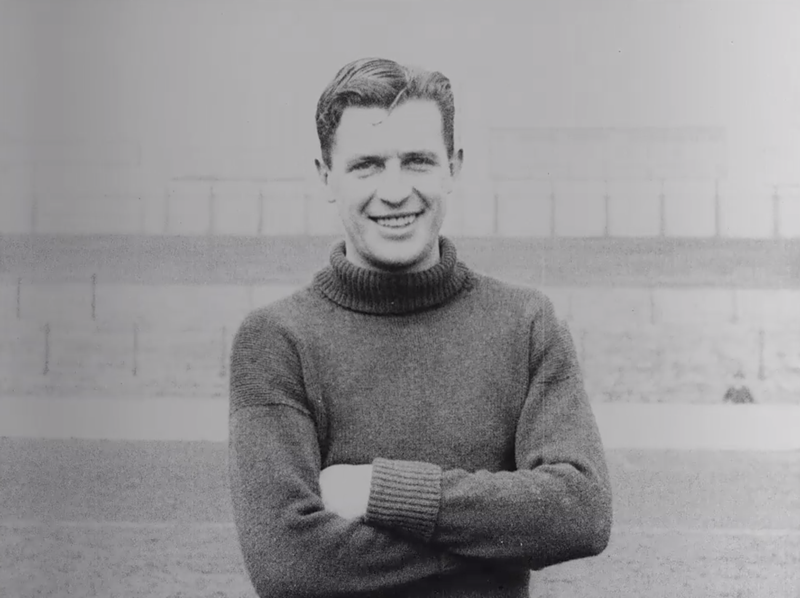
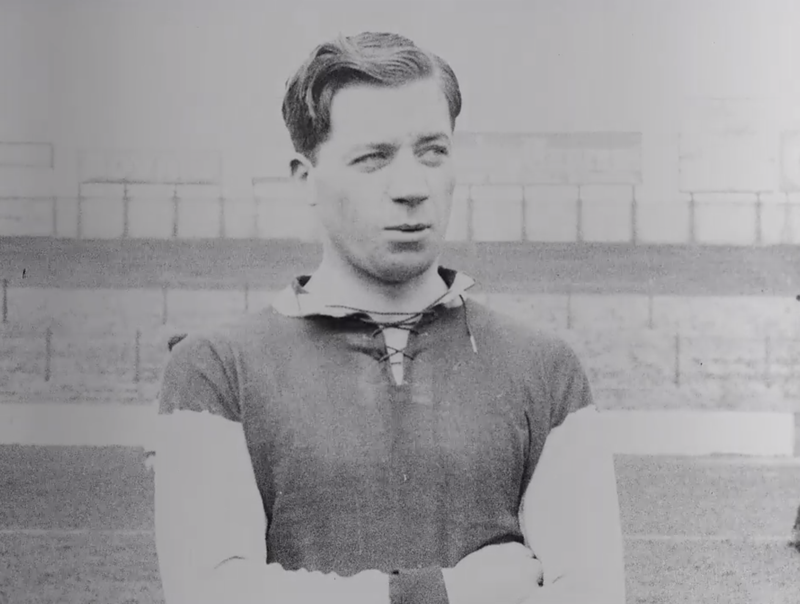
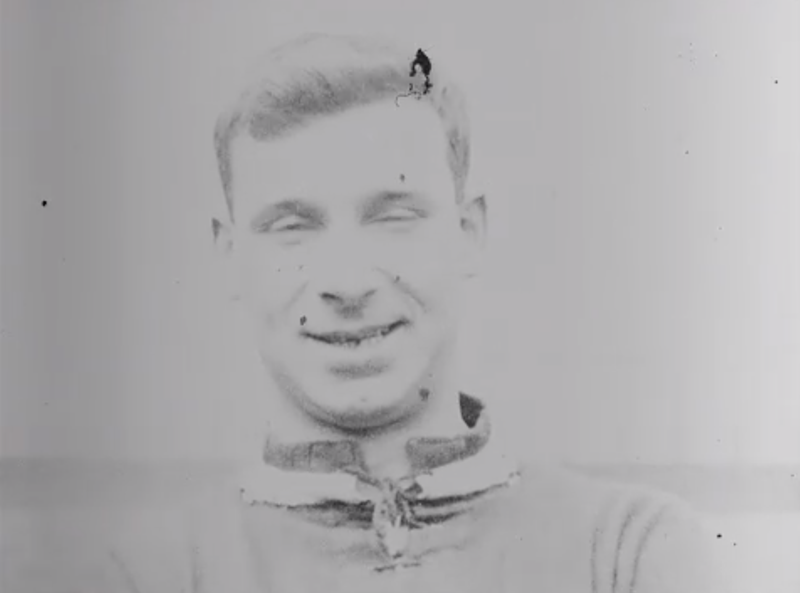
The Cup Shall Come South! is a short series of portraits of the West Ham team from 1923, shortly before they played that year’s FA Cup Final.

The first eleven stand in a line, then look into the camera one by one, some confidently, some nervously. Embarrassment, boredom, maybe even a hint of anger, fury. It’s all there.

Nowadays the form’s so perfected, every player gurning or fist clenching to the camera in choreographed isolation for the on screen line-up imagery that there’s not a trace of personality anywhere at all, no emotion but pre-packaged passion.

But here it still feels real, somehow. A glimpse of an illusion of who they really all are.

I always find these sort of film portraits really moving, for some reason. I couldn’t tell you why. I recently watched the short docuemntary film Portrait, in which a series of Russian farmers stand still and look directly at the camera in a manner similar to this, and thought it was kind of beautiful. And I’ve always really liked Andy Warhol’s screen test portraits.

If I wasn’t such a nervous man I’d ask everyone to let me take a minute long image of them just standing there, looking at the camera, looking right into our eyes, giving us the chance to see right into their souls.

Anyway, unfortunately for West Ham the cup did not come south for them at all, and wouldn’t for quite some time again.

___________

Notes

1. I watched these on the BFI Player: The Cup Shall Come South!; and Cup Final 1923; Getting Ready For Cup Final.

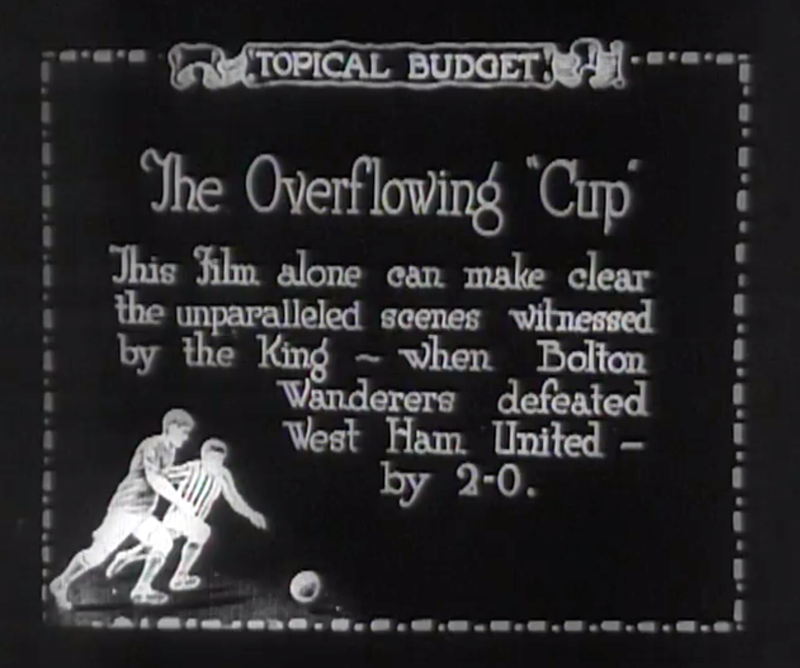
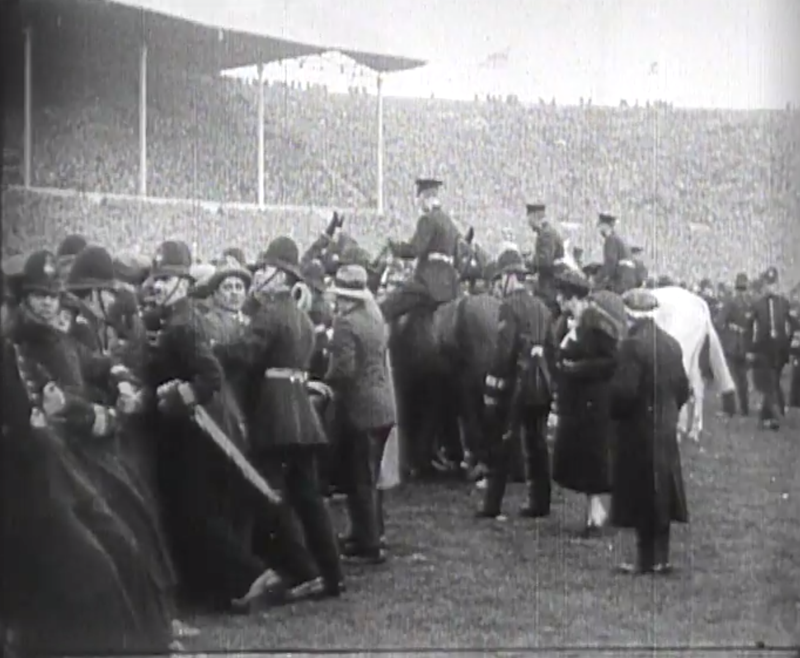
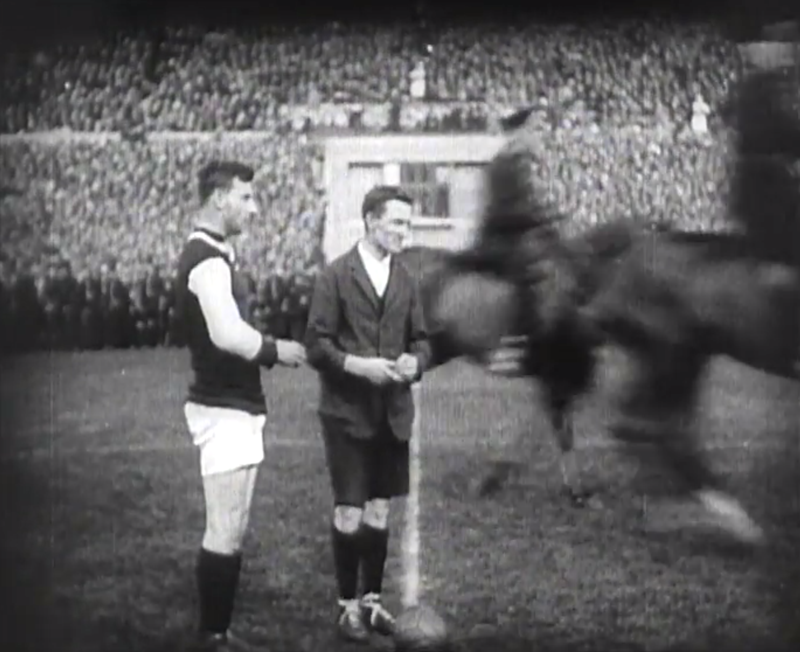
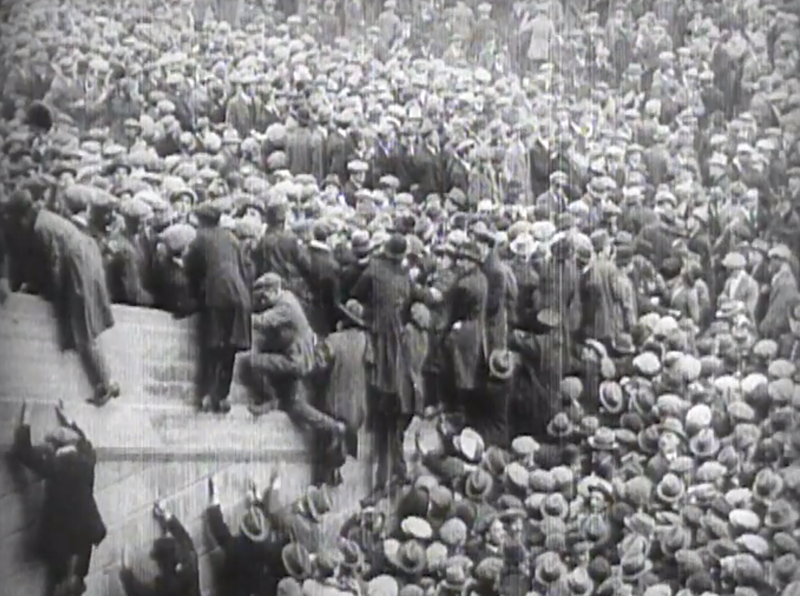
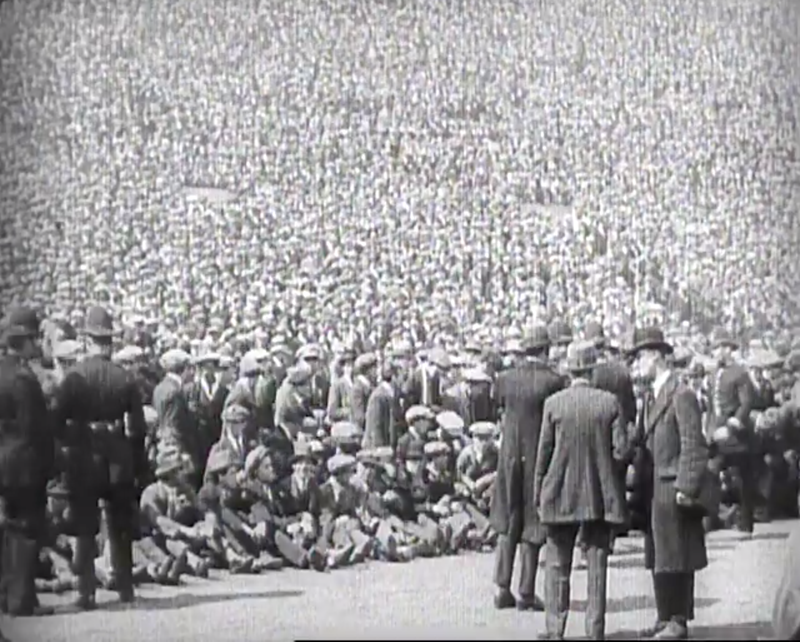
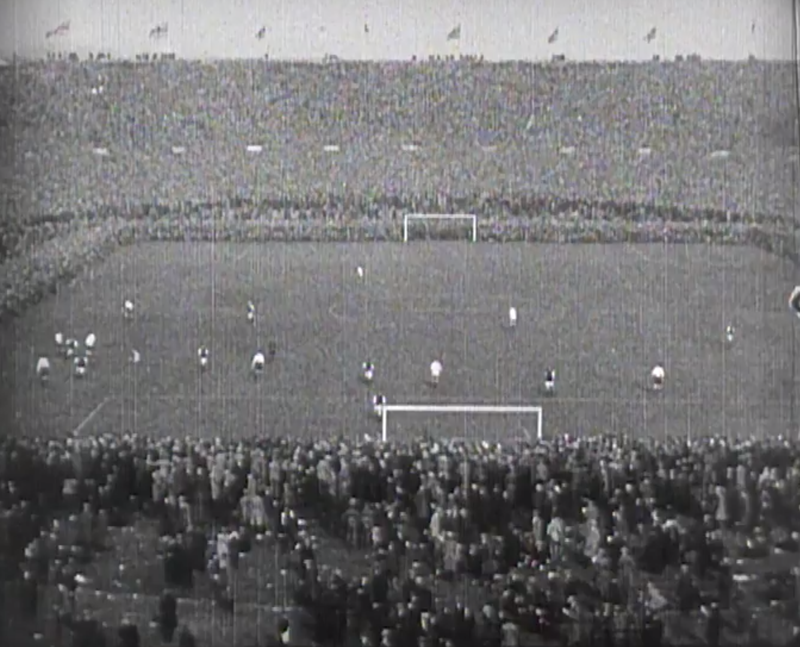
2. The 1923 FA Cup final was the first at Wembley, the so-called White Horse Final, where 250,000 people turned up and only that fabled white horse saved the day.

3. Although he doesn’t turn up much in the footage presented here.

4. You do get a shot of his arse but that’s about it.

5. The black horses got robbed really.

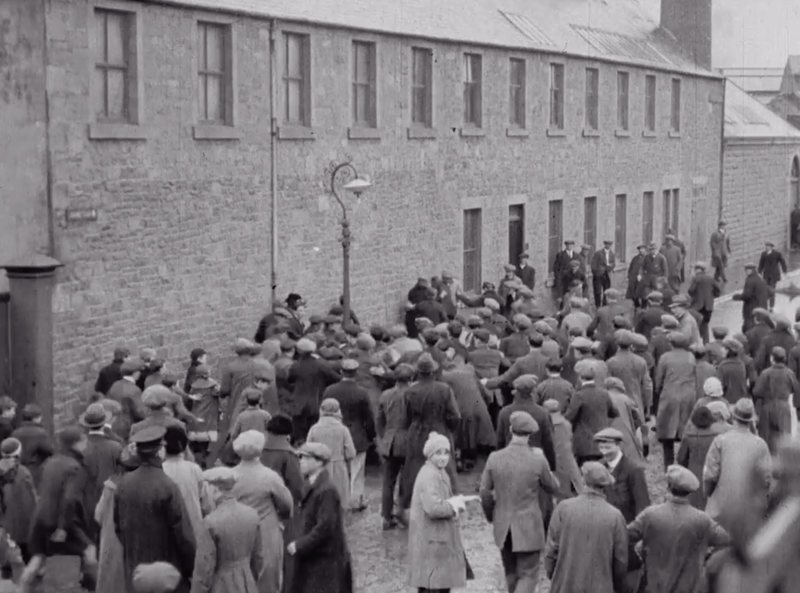
6. Especially because the best bit of this footage is when the ref and the West Ham captain are waiting to do the coin toss, and some police come charging past.

7. Which is a genuinely thrilling bit of footage.

8. And not done justice by that still at all.

9. Also a lot of the footage their makes me a bit queasy

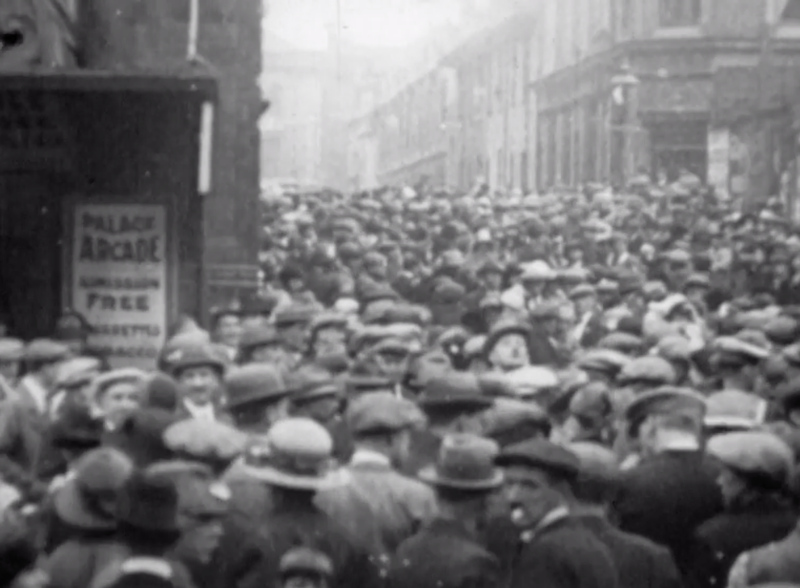
10. As wildly overcrowded crowd footage often does.

11. I mean just look at it.

12. I’m just glad everyone was okay.

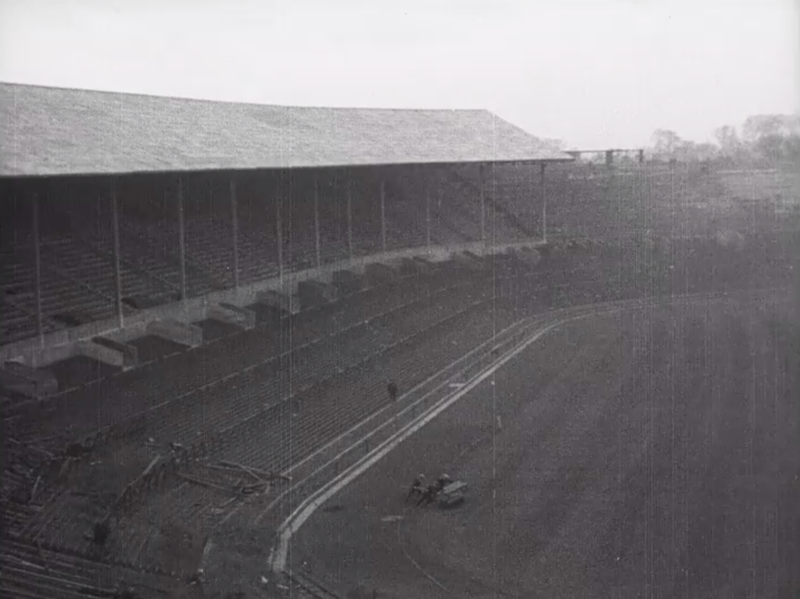
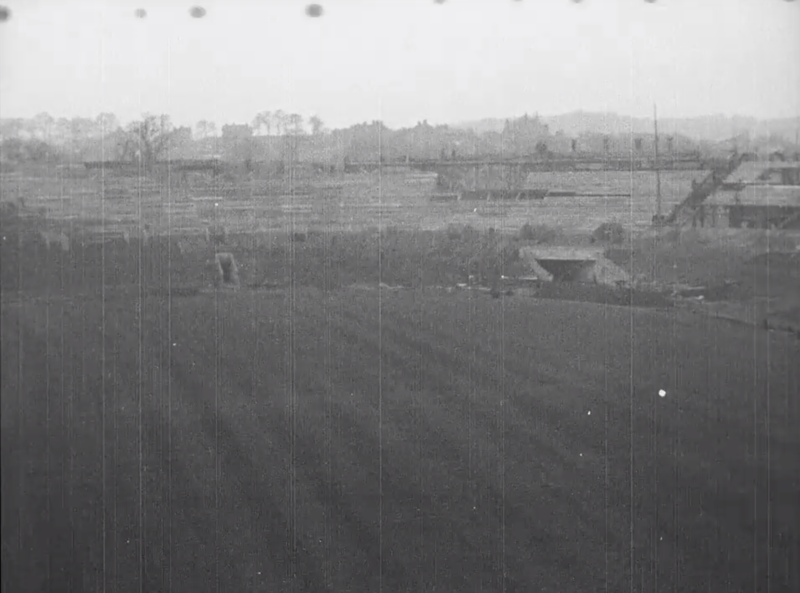
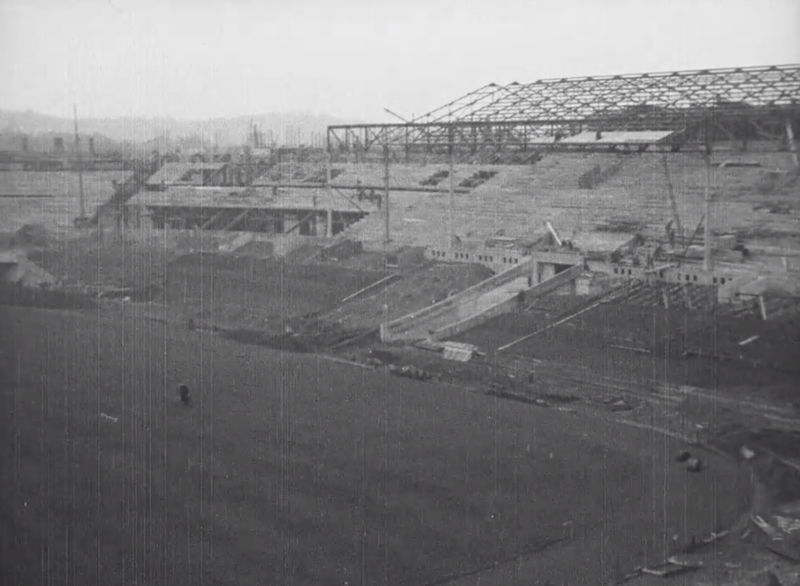
13. Also all this footage is even more impressive/amazing/terrifying after watching “Getting Ready For Cup Final“, and seeing the absolute state of Wembley a few months before, half built, eerily empty.

__________

Film Information

Title: The Cup Shall Come South!
Year: 1923
Duration: 2 minutes
Watch: BFI Player

Title: Cup Final 1923
Year: 1923
Duration: 5 minutes
Watch: BFI Player

Title: Getting Ready For Cup Final
Year: 1923
Duration: 1 minute
Watch: BFI Player

Categories
This Film Is More Than 100 Years Old

Within Our Gates (1920)

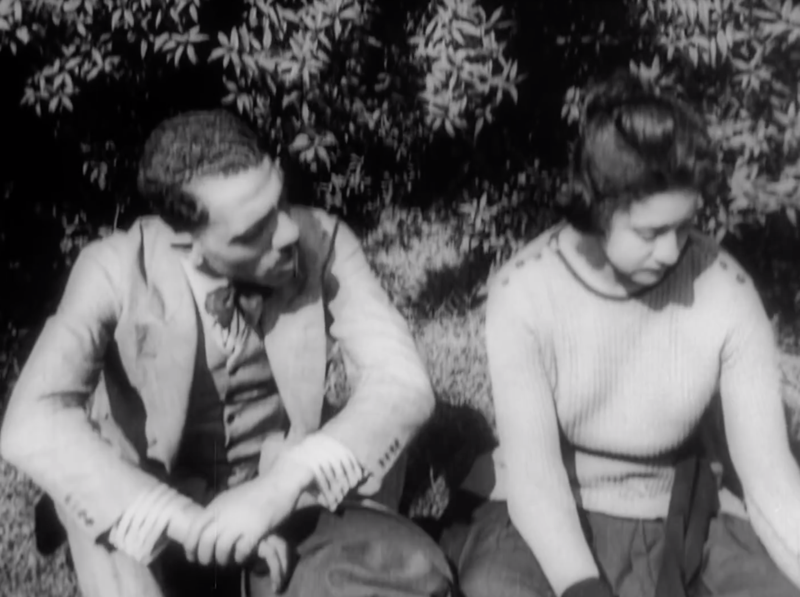
Within Our Gates was the second film directed by Oscar Micheaux, the pioneering African American writer/director/producer. Released in 1920, as his feature has been completely lost, thisi is now the earliest surviving film directed by an African American.

Stark, ferocious, and at times utterly harrowing, Within Our Gates is a searing look at racial injustice in America. The plot primarily follows a young teacher at a financially destitute school for black children somewhere in the American South, as she tries to raise money from wealthy benefactors to keep the school afloat.

From here the story spirals around, and the plotting, especially early on, seems unnecessarily convoluted at times (not helped by some missing scenes here and there), but the various vignettes contained within are well drawn, especially Evelyn Preer’s central performance as Sylvia Landry, the kind but lonely teacher who suffers seemingly endless misfortune as she tries selflessly to help everyone else around her (over the course of the film, plotted against by her cousin, strangled near to death by her fiance, run over, blackmailed by another cousin, assaulted and raped, and her parents are lynched by a baying mob for crimes they didn’t commit).

All of which makes it feel exceedingly weird when the film abruptly ends with a sudden two minute appeal to the greatness of America and the virtues of patriotism.

__________

Notes

1. I watched this on mubi. The screenshots are taken from this version on youtube.

2. In addition to writing and directing over 40 films between 1919 and 1940, Oscar Micheaux also wrote seven novels (three before he started making films, and four afterwards).

3. Unfortunately half his films seem to have been lost since.

4. Reading silent film era filmographies and seeing just how little survived is always pretty depressing.

5. The only other surviving film of his first sixteen (made between 1919 and 1926) is The Symbol Of The Unconquered, which I might watch next week.

6. Anyway, back to Within Our Gates, despite the oddity of the ending, and the slightly disjointed opening, I liked this a lot.

7. It had some interesting editing too, with various flashbacks, and scenes intercut with each other in places.

8. Which felt quite modern to me.

__________

Film Information

Title: Within Our Gates
Director: Oscar Micheaux
Year: 1920
Duration: 80 minutes
Watch: youtube

Categories
This Film Is More Than 100 Years Old

Playmates (1922)

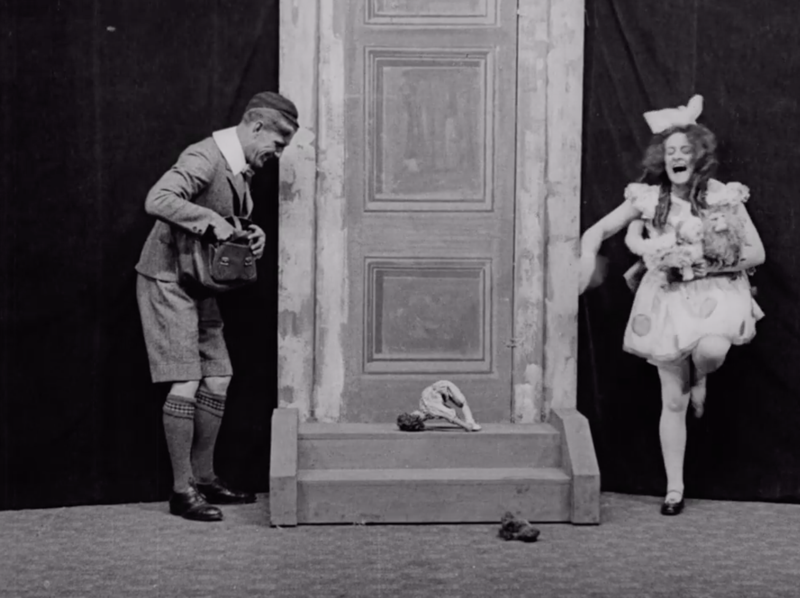
Playmates is a short film in which two actors dressed up as children show off the latest in groundbreaking animatronic toys from 1922.

Playing out like very early test screens for JF Sebastian’s workshop in Blade Runner, this is all usurprisingly horrifying, combining both the enduring disquiet of animatronic dolls with the utter mortal terror of human adults dressed as and pretending to be very young children. Completely monstrous.

___________

Notes

1. I watched this on the BFI Player.

2. I like the way these sort of horrifying animatronic toys have barely changed in a century.

3. Motorised beasts lumbering uselessly around in circles on a table in your local toy shop every Christmas.

4. Only occasionally received as presents.

5. But somehow endlessly disappointing whenever they are.

___________

Film Information

Title: Playmates
Year: 1922
Duration: 2 minutes
Watch: BFI Player

Categories
This Film Is More Than 100 Years Old

Studies In Animal Motion (1922)

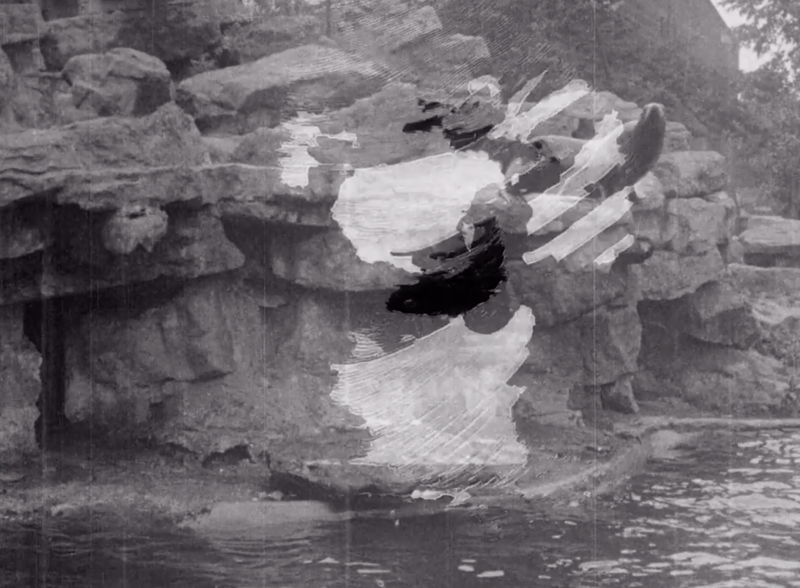
Studies In Animal Motion is a 1922 nature documentary, using slow-motion film to show a number of different animals in wonderfully illuminating detail.

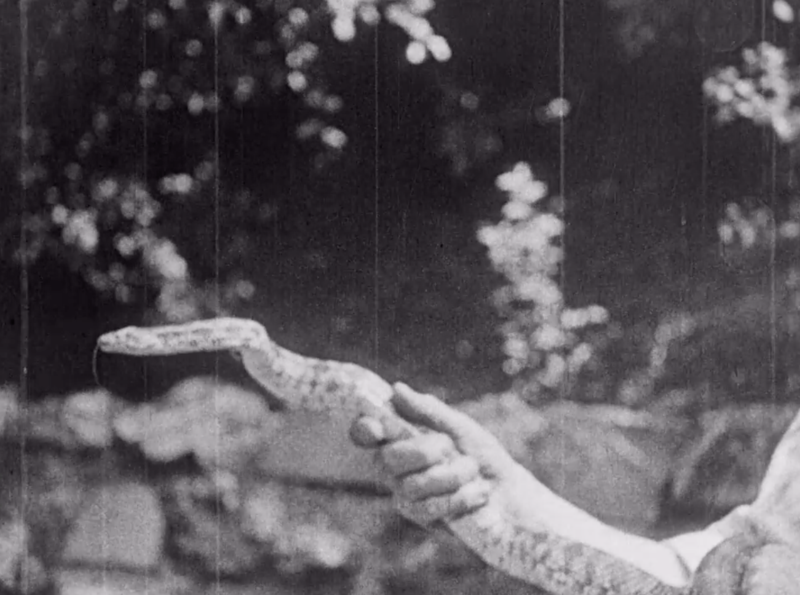
Taking advantage of inevitable improvements in film and camera technology, Studies In Animal Motion takes great delight in showing off hitherto unseen marvels of nature, including how kangaroos leap about, how frogs and toads tongues work, how birds wings move, how snakes undulate, and so on.

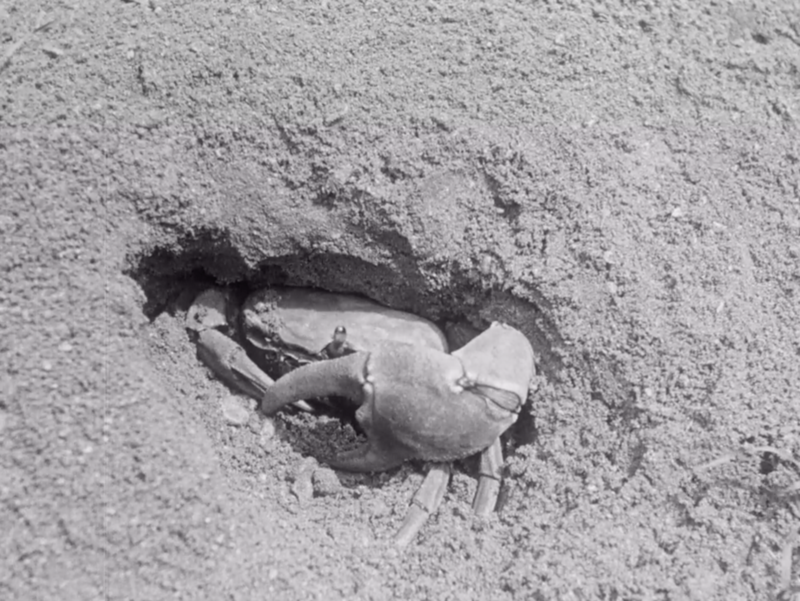
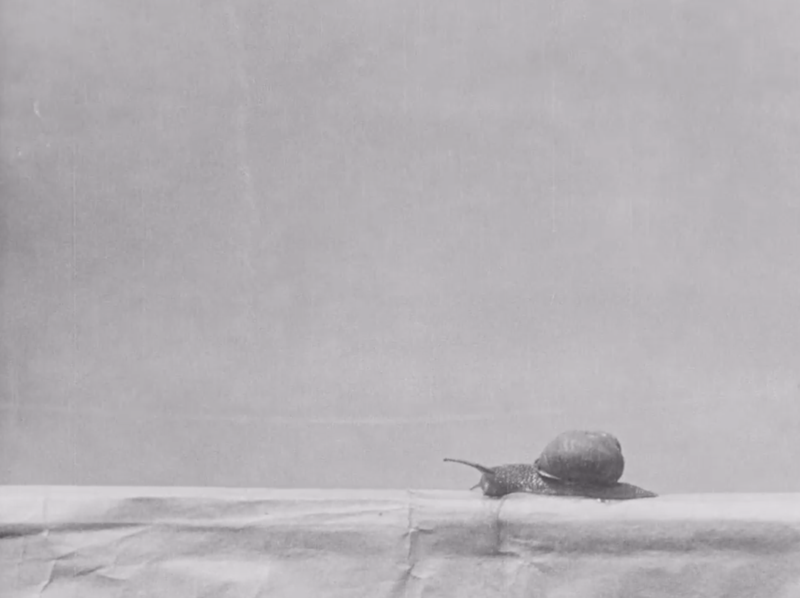
There’s also a few surprising inclusions in this showcase for slow motion technology, including snails and tortoises, and a weirdly fake looking crab that I’m half convinced was a particularly impressive animatronic effect rather than an actual crab.

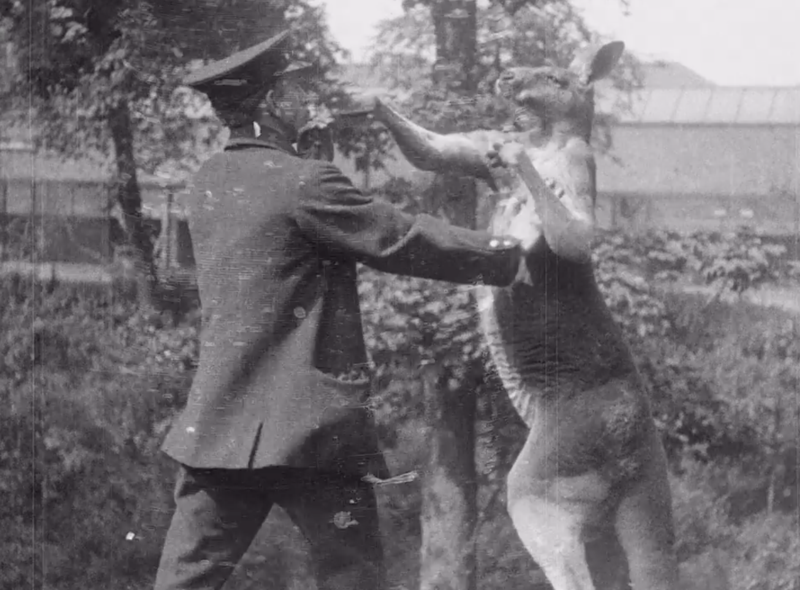
The strangest moment by far is when they decide to use footage of a kangaroo boxing with a zoo keeper to demonstrate how well it can balance on its legs and tail. I’m not sure this is strictly ethical behaviour for a zoo keeper, to be honest.

Part me of also wonders if this was the backstory for Roger in Tekken, but presumably that particular boxing kangaroo was from an entirely different zoo.

__________

Notes

1. I watched this on the BFI Player again.

2. This was part of a series of pioneering nature documentaries made in the 20s and 30s called Secrets Of Nature.

3. There’s a dvd boxset of this that I keep meaning to buy.

4. But haven’t yet.

5. Anyway from the description on that page it seems this vidoe’s not on their anyway.

6. I watched some even earlier films by Percy Smith on here before: To Demonstrate How Spiders Fly (1909); and The Acrobatic Fly and Birth Of A Flower (both 1910)

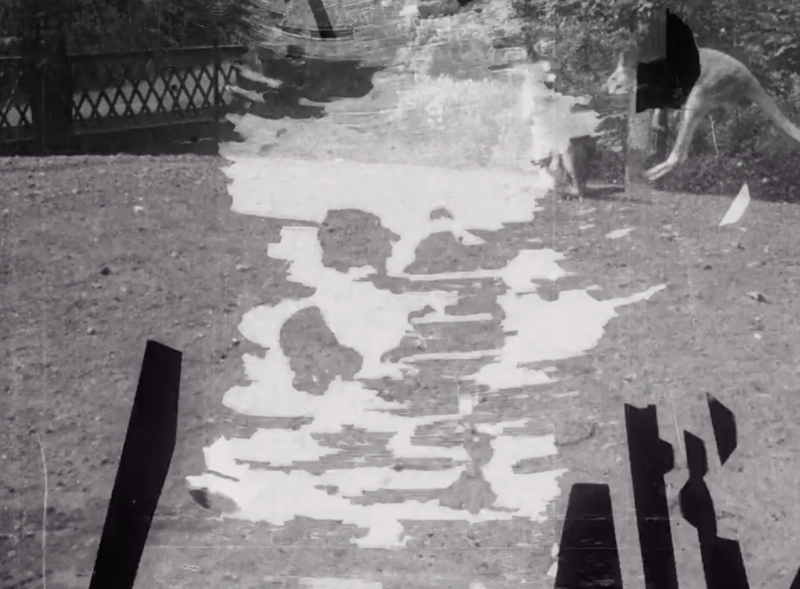
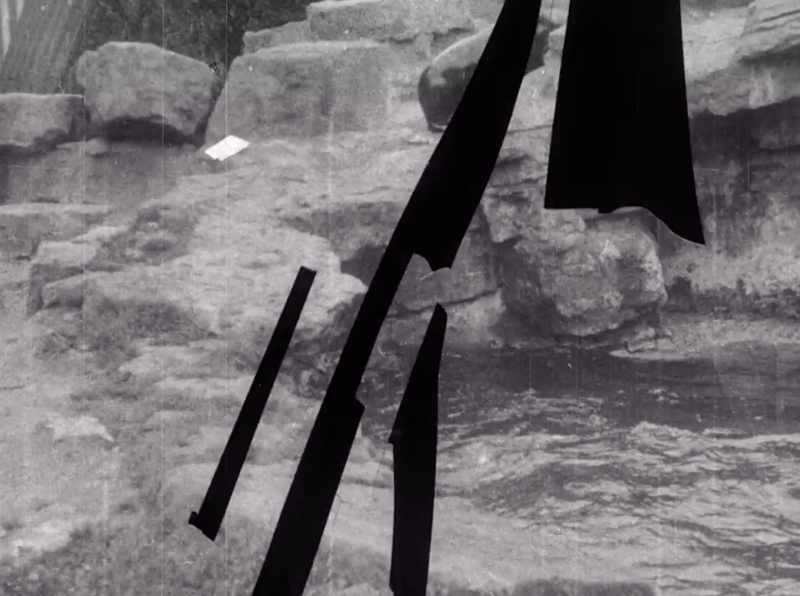
7. At times in Studies In Animal Motion there’s heavy damage to the film, which creates some nice jump cut details (teleporting sea lions and vanishing kangaroos), while also giving us some pretty spectacular looking avant garde cut images that I absolutely loved.

8. Which was nice.

__________

Film Information

Title: Studies In Animal Motion
Director: F. Percy Smith
Year: 1922
Duration: 10 minutes
Watch: BFI Player

Categories
This Film Is 100 Years Old

Hawick Ba’ (1923)

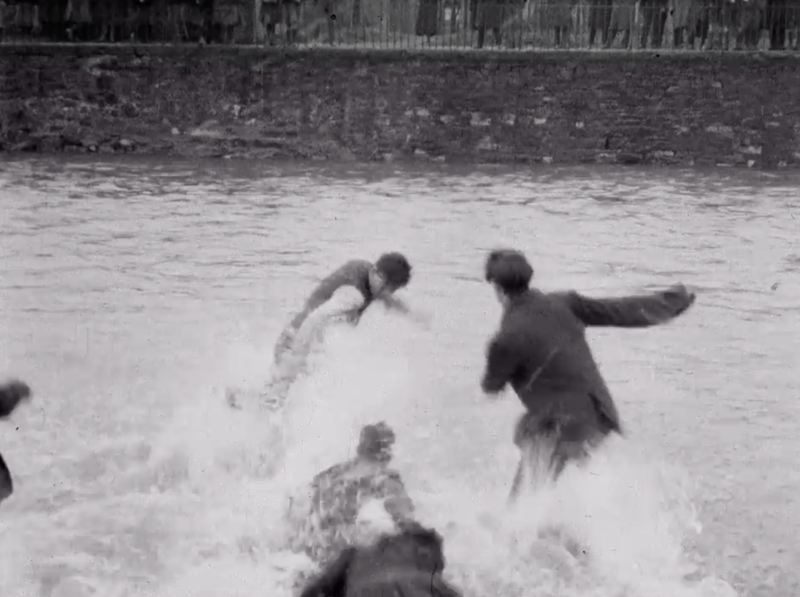
Hawick Ba’ is one of those fabled folk versions of football, where an entire town rampage around after the ball in a frenzy, actually caught on camera here in 1923 (in the town of Hawick in Scotland) in this fairly wonderful minute or so of newsreel footage.

If this film had a soundtrack it would be schoolchildren shouting “FIGHT! FIGHT! FIGHT! FIGHT!” on a loop, forever.

__________

Notes

1. I watched this on the BFI Player.

2. Having watched this several times now, I still do not quite grasp the rules.

__________

Film Information

Title: Hawick Ba’
Year: 1923
Duration: 1 minute
Watch: BFI Player

Categories
This Film Is More Than 100 Years Old

Fishing At St Dogmaels (1922)

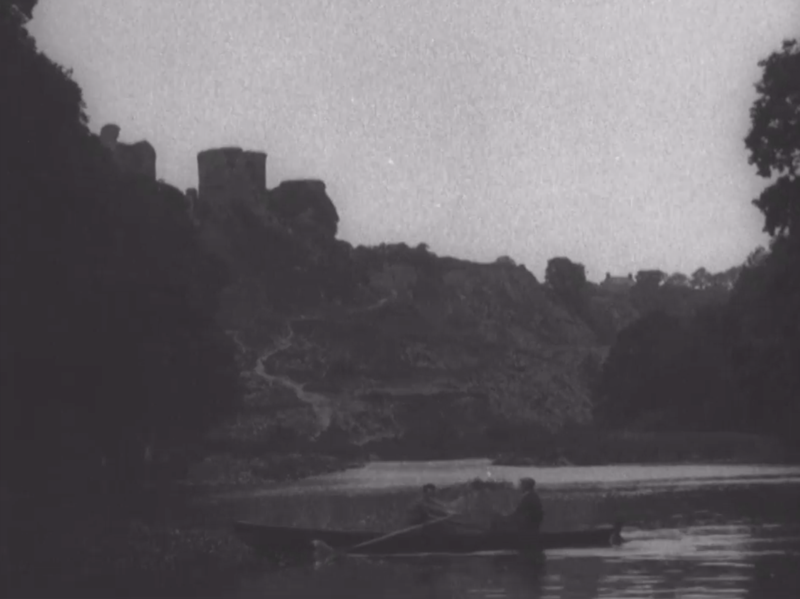
Fishing At St Dogmaels is, perhaps unsurprisingly, approximately 2 minutes of footage of some people fishing in St Dogmaels in Wales, in 1922.

Not necessarily the most exciting film, but I’ve included it here because the brief scene where they row across the river (shown above) is really quite beautiful, too. Kind of mythic in its grandeur.

Which I think is reason enough to mention it.

__________

Notes

1. I watched this on the BFI Player like usual.

__________

Film Information

Title: Fishing At St Dogmaels
Year: 1922
Duration: 2 minutes
Watch: BFI Player

Categories
This Film Is More Than 100 Years Old

Skating In Oulton Broad (1922)

Skating In Oulton Broad is a minute of home-filmed footage of people skating on the frozen lake of the title, in Lowestoft, in 1922.

There is beauty in the badly framed, endless wonder in the out of focus, entire worlds built up through every decade of decay, hiding there in those undignified ruins at the end of every sliver of film.

__________

Notes

1. I watched this on the BFI Player.

2. Recently I was reading about the restoration of an old painting at the National Gallery

3. How in their restorations they removed all traces of life and wonder from what they had.

4. And often too I think about the weird hypnotic beauty of the Salvator Mundi

5. Before they scrubbed him clean of any sense of mysticism.

6. And of course no one’s going to try and upgrade these skaters into 4k ultra HD

7. Every blemish digitally erased until everything is as sharp as the eye can see

8. (Although maybe if they were French…)

9. But if they do

10. All we’ll be left with is

11. Nothing much at all.

__________

Film Information

Title: Skating On Oulton Broad
Year: 1922
Duration: 1 minute
Watch: BFI Player