Categories
This Film Is More Than 100 Years Old

Seven Chances (1925)

Seven Chances is a silent comedy from 1925, directed by and starring Buster Keaton, and based on a 1916 play by Roi Cooper Megrue.
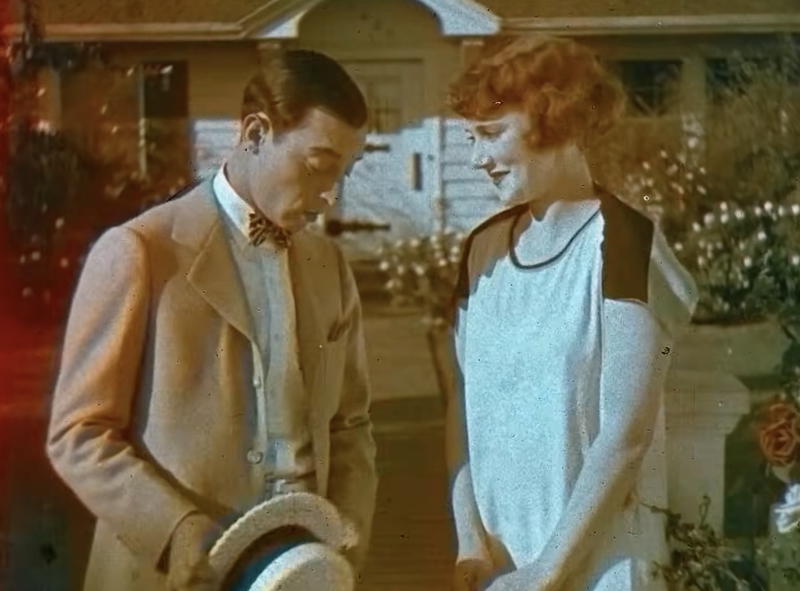
Buster Keaton is a stockbroker who must marry a woman (any woman) before 7 o’clock this evening if he wants to inherit $7 million, which also seems to be the only way he can avoid financial ruin and possibly jail after “accidentally” committing some sort of massively fraudulent crime.

After annoying his sweetheart by revealing the machinations of the film’s plot to her, Buster has only 7 hours to find a new bride, and retreats to the local country club to chat up and proposition 7 local women, with a complete and unsurprising lack of success.

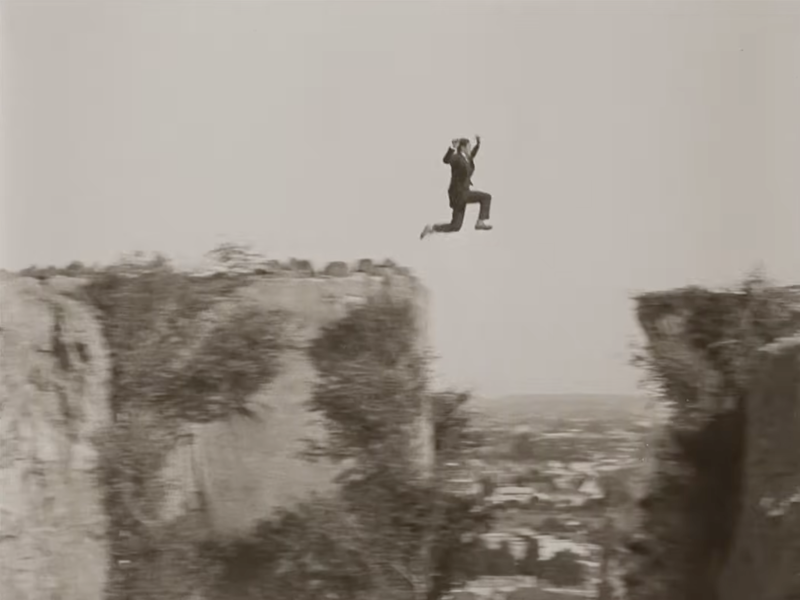
Luckily everything eventually spirals out of control and Keaton’s character finds himself caught up in an ever-escalating nearly 20-minute long chase scene that begins with him trying to outrun an army of potential brides in the middle of the city and ends with him being chased down by a mountain by hundreds of ten foot boulders. I assume this sequence wasn’t in the original play (although I’d quite like to see it if it was).

It’s an incredible ending, though, especially after the fairly sedate and ever so slightly boring first 40 minutes have lulled you into a false sense of security.
___________

Notes

1. I watched this on Mubi, although how long it’ll be on there I don’t know.

2. But you can’t take screenshots of films on mubi for some stupid reason, so I had to capture them from this version on youtube instead.

3. The first two-thirds or so of this is unfortunately marred by constant racist interruptions.

4. Which kind of under cut the charm of the whole thing to be honest.

5. The final 20 minute action sequence really is astonishingly spectacular though.

6. And almost entirely racism free.

7. Which is a bit of a relief

8. The first few scenes in this are filmed in early technicolor colour, too, which is nice (although then it reverts to Buster’s usual beautifully shot black and white)

9. There’s a real dreaminess to mid 20s technicolor films that I love.

10. As seen in The Black Pirate

11. An actual 100 year old film which I’ll review next week sometime hopefully

12. Doing this website’s only job on time for once

13. (1926 seems to be a good year for films, because I’ll get to watch The General and The Adventures Of Prince Achmed too)

___________

Film Information

Title: Seven Chances
Director: Buster Keaton
Year: 1925
Duration: 1 hour
Watch: youtube
Categories
This Film Is More Than 100 Years Old

The Tale Of The Amp Lion (1925)

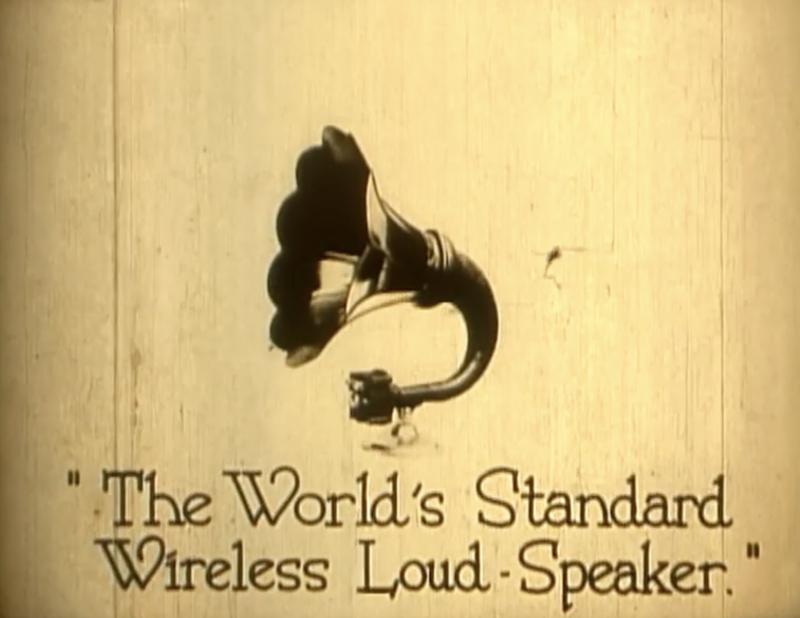
The Tale Of The Amp Lion is an advert for Amplion, an old brand of speaker for record players and radios. It was directed by the illustrator William Heath Robinson in what was his only foray into animation.

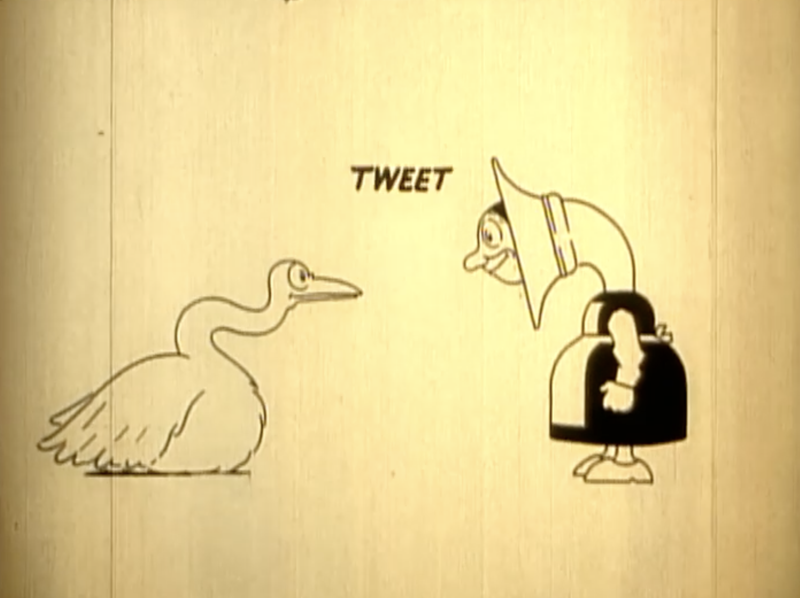
In this short cartoon, two cartoon Amplion speakers transform themselves into various things (including, yes, a lion), before eventually reforming into a photograph of an actual Amplion speaker right at the end (so you know exactly what it is you want to buy). The animation is pretty simple, but also delightful, and some of the transformations/transitions are pretty funny too (not least the swan laying a big tower of eggs, which made me laugh more than it should have done, probably).

Considering I never knew until I found this that William Heath Robinson had ever made a cartoon, now I’m suddenly quite sad that he never made anymore.

(I also like the way the final advertising slogan has an entirely different meaning, product wise, 100 years later than it did at the time, although that has nothing to do with the cartoon itself, obviously.)

____________

Notes

1. I watched this on the BFI Player

2. Which has stopped working for me on safari for some reason, but still seems to work on chrome.

3. Just in case you’re also having trouble with it.

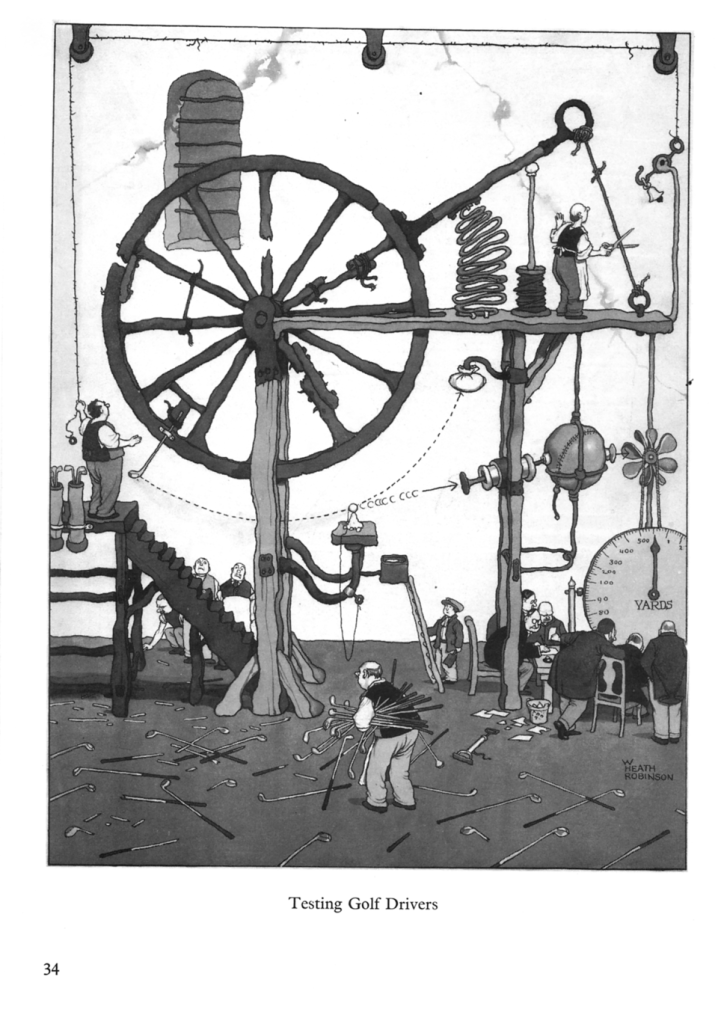
4. William Heath Robinson is probably best known to most for his Heath Robinson machines.

5. (Not to be confused with the Heath Robinson machine, obviously)

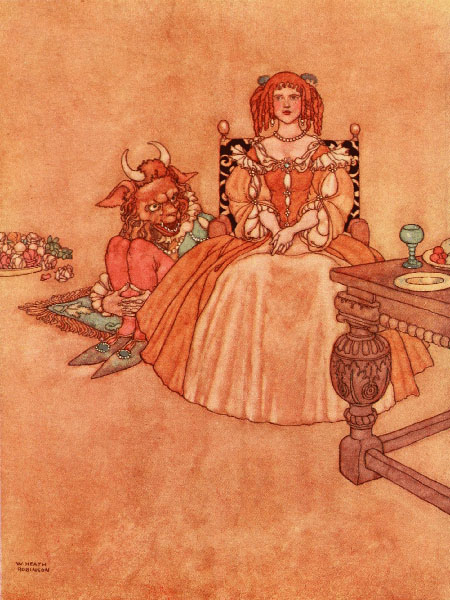
5. And if not that then for his fairy tale illustrations (which are equally wonderful).

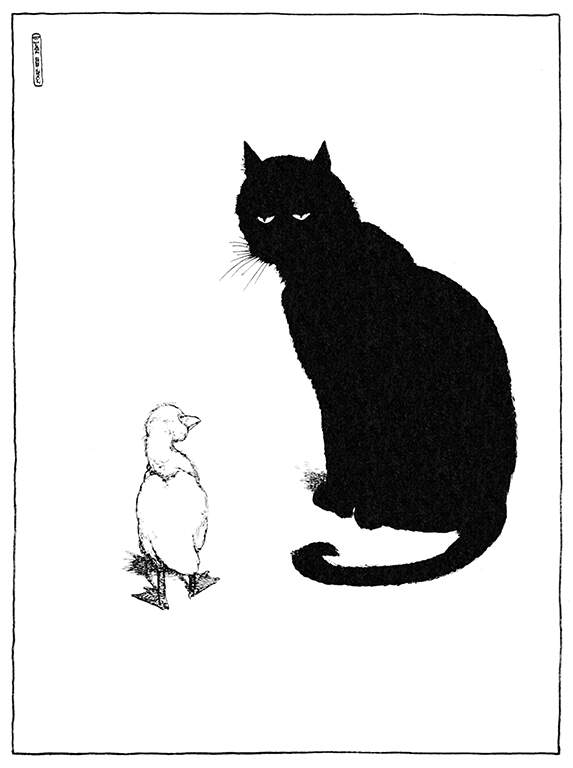
6. Especially this spectacularly unimpressed cat from The Ugly Duckling (I think)

7. Heath Robinson’s brother Charles Robinson’s fairy tale illustrations are also just as good.

8. There was also a third Robinson brother who was an illustrator but I’m not sure I’ve ever seen a single one of his pictures so who knows if he’s real or not.

9. And I’m not about to check.

10. Sorry

__________

Film Information

Title: The Tale Of The Amp Lion
Year: 1925
Director: W. Heath Robinson
Duration: 2 minutes
Watch: BFI Player
Further Reading: The Heath Robinson Museum; A selection of William Heath Robinson illustrations

Categories
This Film Is More Than 100 Years Old

Alice In Wonderland (1903)

Alice In Wonderland is a 1904 adaptation of Alice’s Adventures In Wonderland, directed by Cecil Hepworth and Percy Stow, and starring Cecil Hepwroth, Cecil Hepworth’s wife, and Cecil Hepworth’s cat (plus May Clark as Alice). The very first film version of Alice In Wonderland, at the time this was the longest film produced in Britain, but a third of the original film has been lost, unfortunately, so only about 8 minutes survive.

The very first film version of Alice In Wonderland, at the time this was the longest film produced in Britain, but a third of the original film has been lost, unfortunately, so only about 8 minutes survive (and unfortunately, there’s still quite a lot of damage and degradation to the remaining film). But they’re a pretty wonderful 8 minutes, luckily for us.

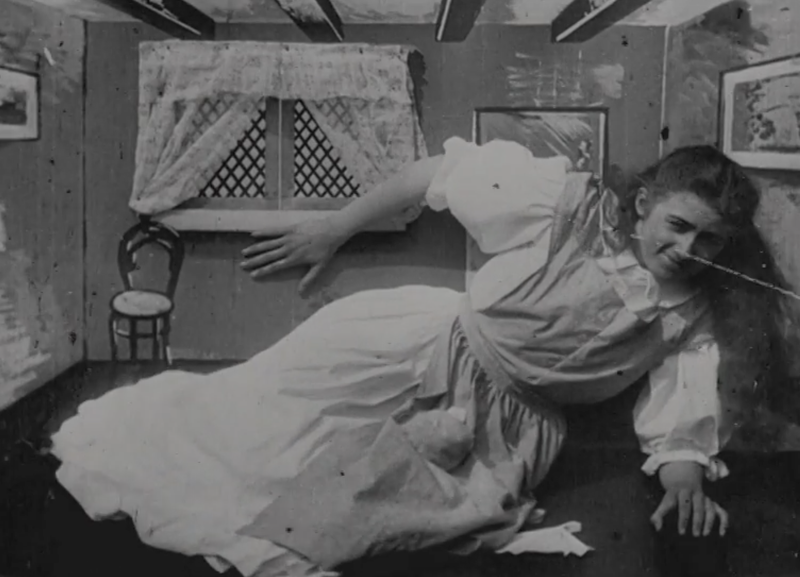
Even taking in to account the lost footage, this must have always been a fairly quick paced run through the book’s most iconic scenes. As with a lot of early film adaptations, the assumption was that the audience would already know the story it was based on, which is apparent here where a lot of it is intentionally framed to evoke John Tenniel’s original illustrations from the book (especially obvious in the shot above).

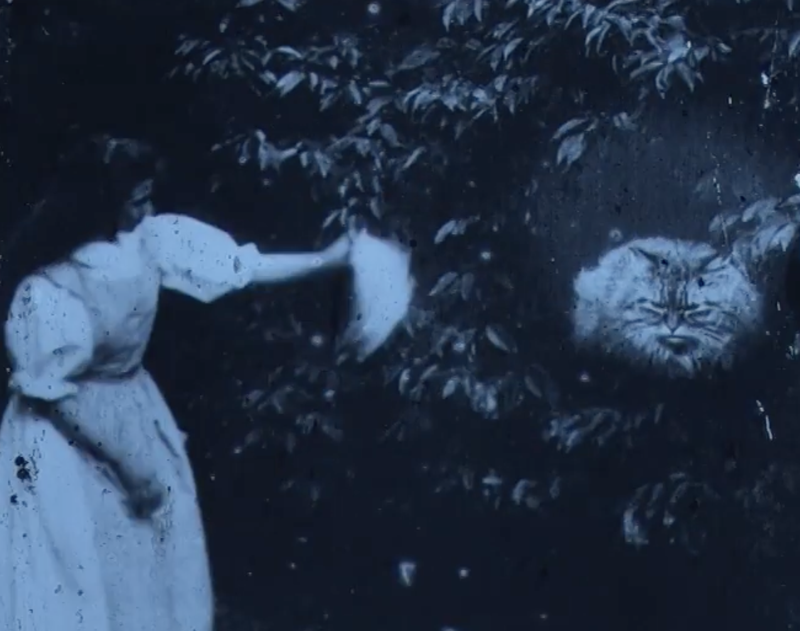
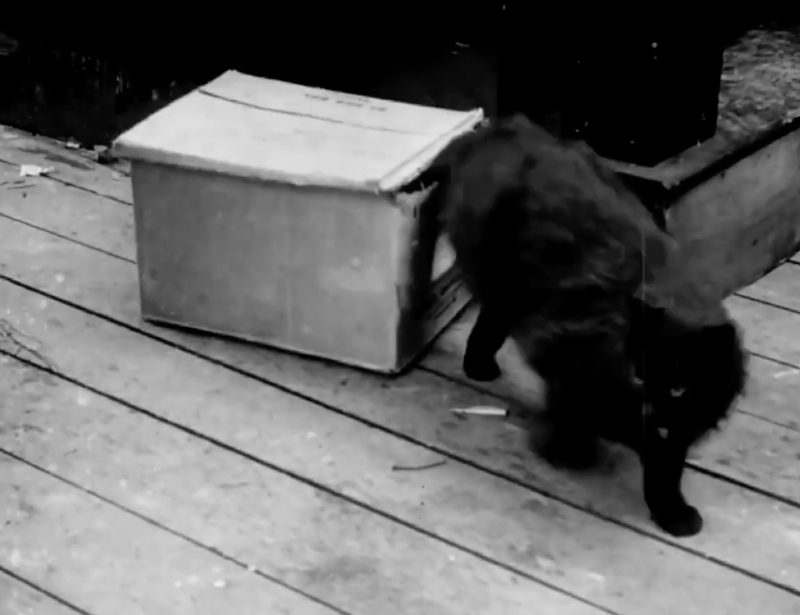
So this is like a greatest hits package of the book rather than a narrative adaptation, and we get a brisk run through the eat me/drink me sequence, the Mad Hatter’s tea party, the Red Queen, and so on. The highlight of the film, though, is the wonderful Cheshire Cat refusing to even entertain the idea of a smile.

__________

Notes

1. I watched this on the BFI Player

2. It’s also on youtube

3. It’s nice to see that they’ve been getting the name wrong ever since the very first adaptation.

4. For another 100 year old Alice adaptation (in spirit rather than in fact), you should watch Elsie And The Brown Bunny

5. Also, not that this’ll be interesting really to anyone but me, my sister has a cat that looks very much like that magnificently grumpy Cheshire Cat

6. Which is nice

7. It’s kind of interesting how quickly the look of Alice became entrenched.

8. A testament to how great those original illustrations were.

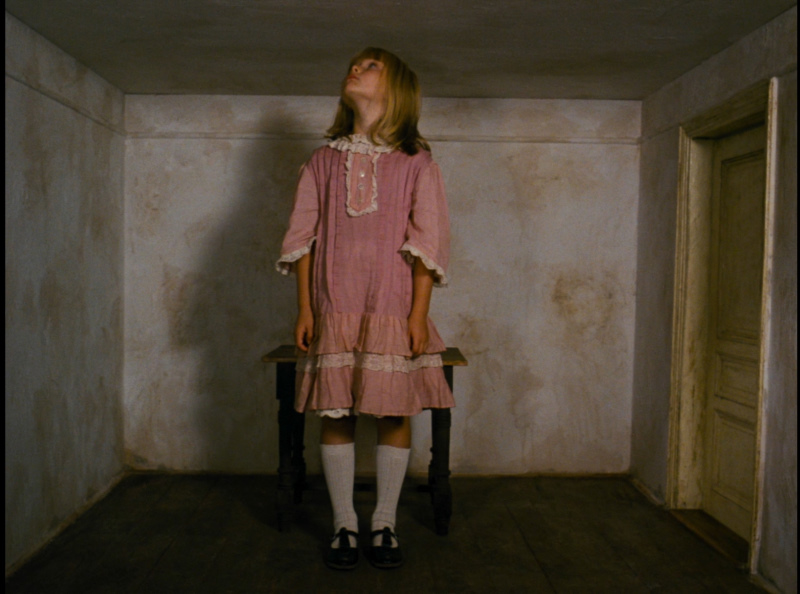
9. The biggest deviation in over a 100 years probably being Jan Svankmajer giving her a pink dress instead of a blue or white one.

10. And that took until 1988.

__________

Film Information

Title: Alice In Wonderland
Director: Cecil Hepworth and Percy Stow
Year: 1903
Duration: 10 minutes
Further Reading: John Tenniel’s original Alice illustrations

Categories
This Film Is More Than 100 Years Old

The Mistletoe Bough (1904)

The Mistletoe Bough was filmed in 1904 and directed by Percy Stow.

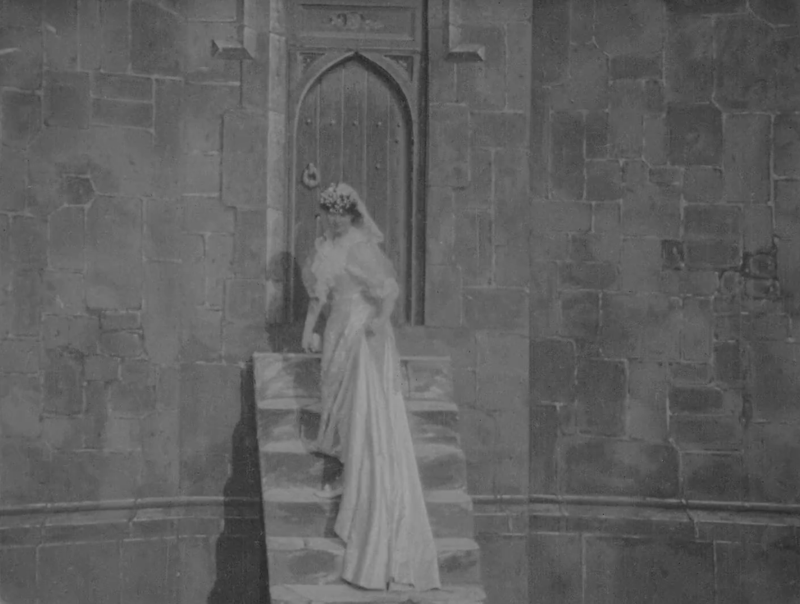
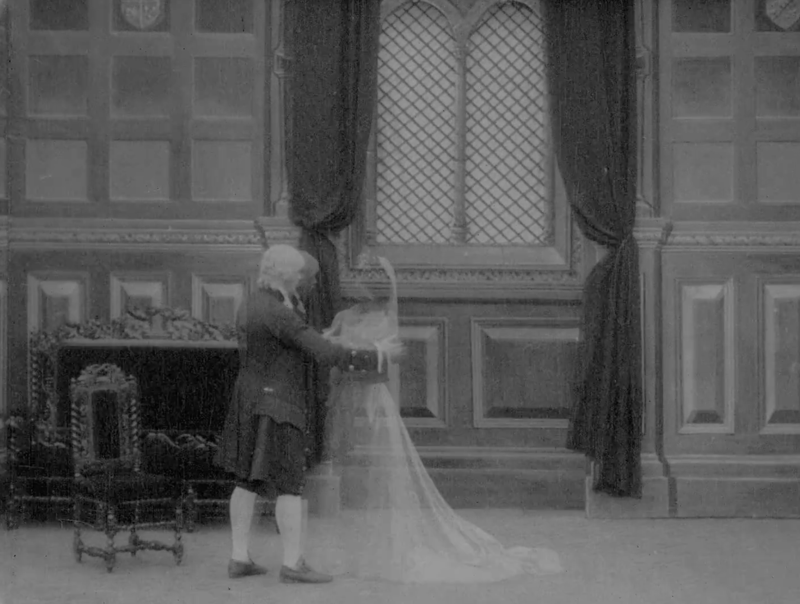
An atmospheric tale where a game of hide and seek goes wrong, The Mistletoe Bough is a nice combination of Christmas story, ghost tale, romance, and horror. The ending is a bit abrupt, making me wonder if there’s a missing scene or two at the very end, but it’s still a lovely little film (or as lovely as a film about a dead bride can be).

___________

Notes

1. I watched this on the BFI Player again.

2. Although it’s also on youtube too if that’s more convenient for you.

3. It’s based on an old folk tale/urban legend crossover, the history of which is pretty interesting.

4. It’s a pity people don’t sing that song at Christmas any more really.

5. Or if they do I’ve never noticed before.

6. After watching this I read The Mistletoe Bride by Kate Mosse, which is based on the same tale.

7. And which was quite good too.

8. Which was nice

9. This film version was directed by Percy Stow, who directed the first ever film version of Alice In Wonderland, and also made the excellent spoof film The Unclean World.

10. Which I watched here a few years back.

11. There was also apparently a 1926 version of the same tale, but I can’t seem to find any evidence it survives.

12. Obviously if I had found it, I still wouldn’t have been able to watch it until 2026.

13. (two whole days away now)

___________

Film Information

Title: The Mistletoe Bough
Director: Percy Stow
Year: 1904
Duration: 10 minutes
Watch: BFI Player; youtube

Categories
This Film Is More Than 100 Years Old

A Scandal In Bohemia (1921) / The Golden Pince-Nez (1922) / The Final Problem (1923)

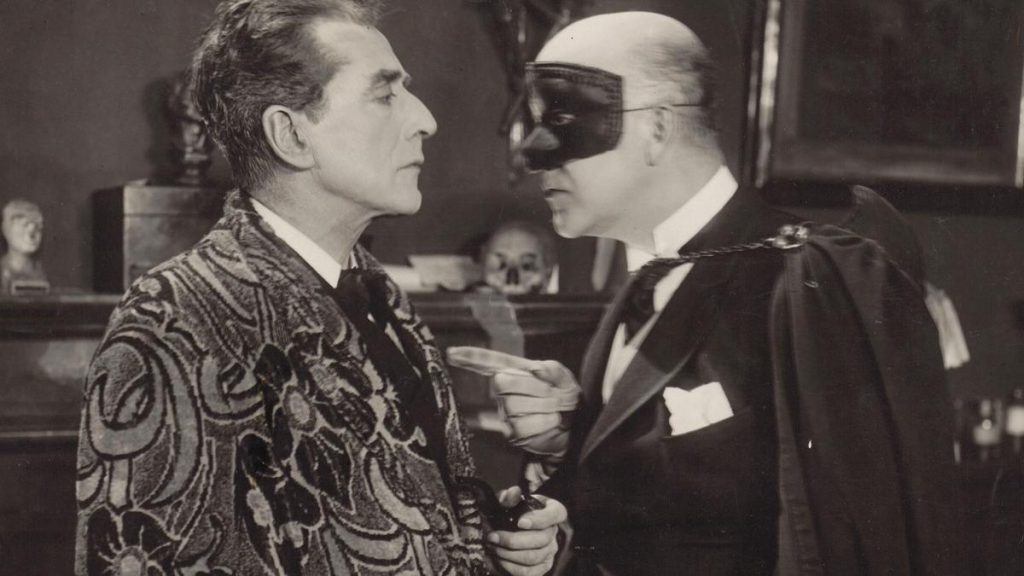
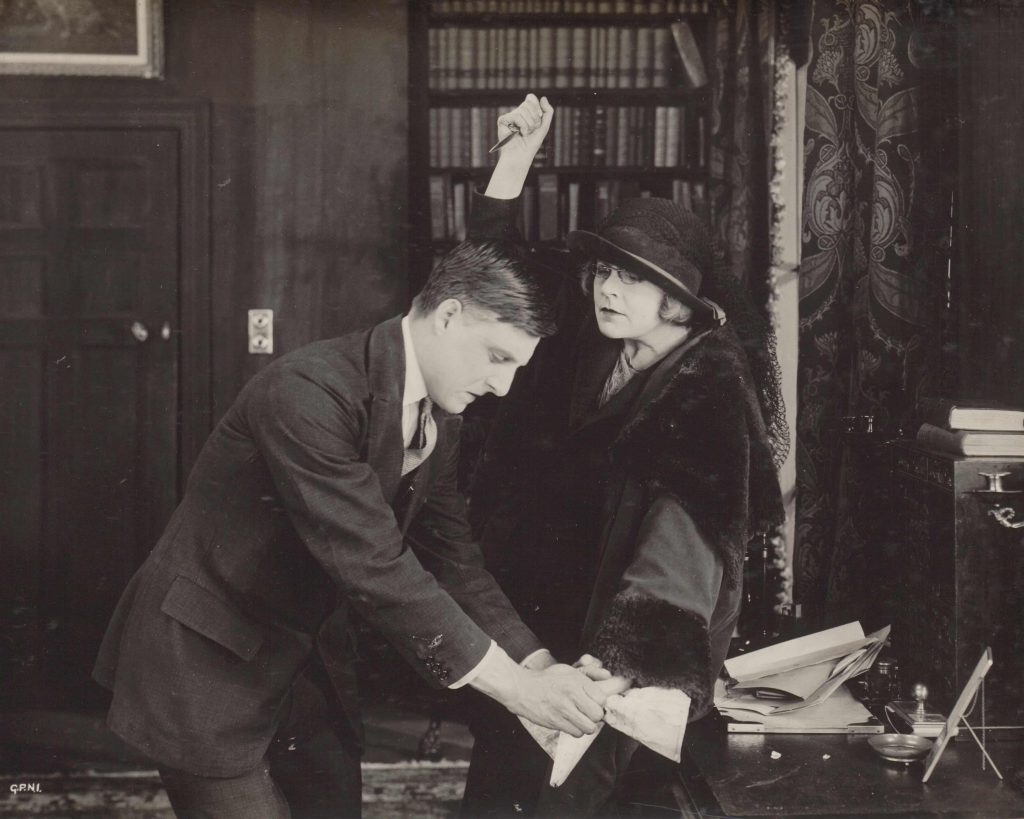
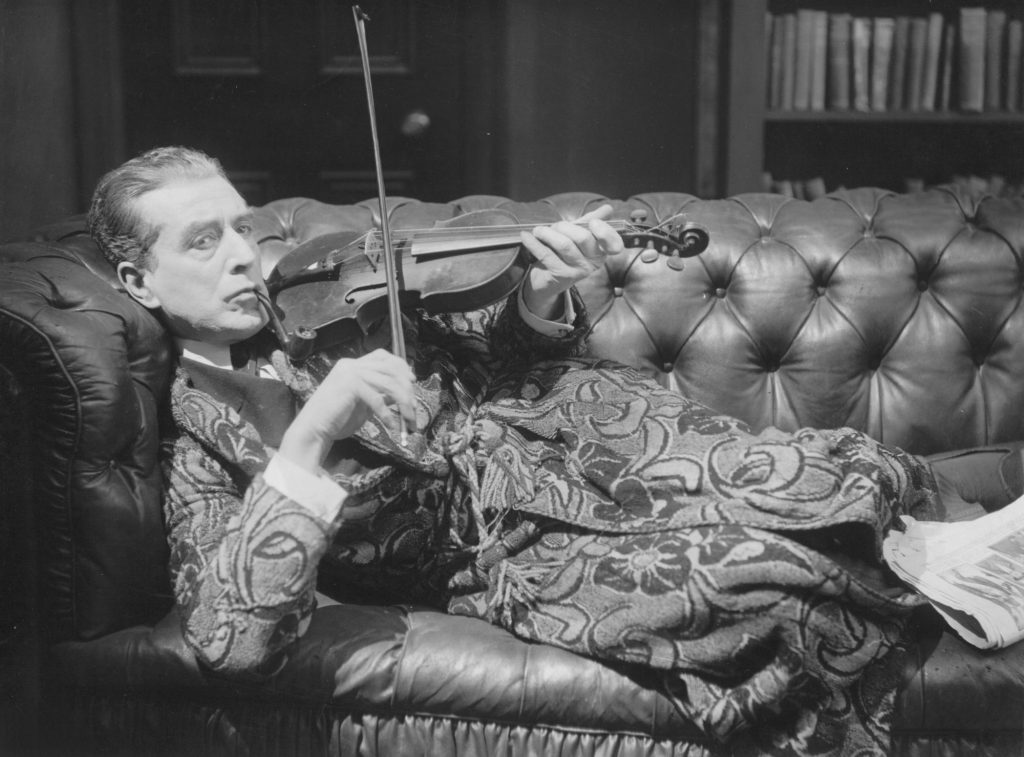
Between 1921 and 1923, Stoll Pictures produced three separate series of Holmes adaptations (The Adventures Of Sherlock Holmes, The Further Adventures Of Sherlock Holmes, and The Last Adventures Of Sherlock Holmes), comprising 45 short episodes and 2 feature length films, all directed by Maurice Elvey and starring Eille Norwood as Sherlock Holmes and Hubert Willis as Doctor Watson.

The three episodes here include one from each series, A Scandal In Bohemia from The Adventures…, The Golden Pince-Nez from The Further Adventures… and The Final Problem from The Last Adventures…

A Scandal in Bohemia is probably the weakest of the three episodes here, although that’s largely down to the soruce material, a story that reduces Sherlock Holmes to a petty thief of absolutely buffoonish incompetence. Apparently robbing an innocent woman (and drugging her and also throwing fireworks through hr front room window) is perfectly okay if a German prince asks you to do it.

Luckily Irene Adler (renamed Irene Adair here for some reason, one of the few changes in what are generally very close adaptations of the source material) has the amazing super power of not being an idiot, and sees through Holmes’s elaborately useless plans immediately, earning Holmes’s undying admiration (and also probably his scorn).

The Golden Pince-Nez is better, actually allowing Holmes to do some crime solving. The mystery here is a locked room style problem, where a man has been murdered in his study and the murderer has subsequently vanished into thin air. The police are stumped, Watson is confused, but Sherlock solves it all pretty much instantly, with a twinklish smile and lots of cigarettes.

In the very last episode of the regular series, The Final Problem finally sees Holmes tangling with Moriarty, played with swaggering Orson Welles-esque menace by Percy Standing. Pretty much everything about this episode is great, even the choice to replace the Reichenbach Falls with the Cheddar Gorge, which looks genuinely spectacular on screen, its impossibly imposing cliffs rendered in (perfectly restored) stark black and white.

The slightly shocking end to the episode (although not that shocking if you know the story, obviously) is undercut somewhat by the “Sherlock Holmes Will Return!” title card that immediately follows its conclusion (and indeed Sherlock Holmes did return in The Sign Of Four, the second of the feature length episodes, although whether that actually resolves the end of this episode or simply ignores it I do not know).

After finishing The Last Adventures Of Sherlock Holmes, Stoll Pictures moved on to making The Mystery Of Fu-Manchu, which is unsurprisingly quite similar in setting, structure, look and tone (why break a winning formula, really), essentially being an answer to the question “What if Holmes and Watson had to fight Moriarty every single week instead of only once?”.

___________

Notes

1. I watched these at Firstsite in Colchester, where they were showing as part of the BFI’s current Silent Sherlock presentation.

2. They also showed this ten minute explanation/overview of the BFI’s restoration project (which apparently is going to eventually include restorations of all 40-odd episodes and both films).

3. Anyway, this means that you’ll presumably have to go and see them at a nearby cinema or arts centre for now (if they’re showing them.

4. It also means the pictures above are BFI publicity stills rather than screen grabs I’ve made from youtube.

5. Which is why they look so nice, I suppose.

6. Although it would have been nice to show you how bloody lovely the shots of Cheddar Gorge look in The Final Problem.

7. At least a hundred times nicer than Switzerland ever could have, obviously.

8. Also I think this means I’ve seen two films this year which end with brutal deaths at Cheddar Gorge (along with 28 Years Later).

9. Which is probably two more than I’d ever seen before.

10. Unless you count all the episodes of Robin of Sherwood in the 80s.

___________

Film Information

Titles: A Scandal In Bohemia; The Golden Pince-Nez; The Final Problem
Director: Maurice Elvey
Duration: 25 minutes each
Further Reading: Inside The Archive: estoring Conan Doyle’s favourite screen Sherlock (10-minute video); Silent Sherlock: Three Classic Cases (2024 Sight and Sound review); Restoration Of Silent Sherlock (2024 BFI article); The Adventures Of Sherlock Holmes (wikipedia article on the Stoll series)

Categories
This Christmas Is 100 Years Old

Santa Claus’ Factory (1925) / Our Advice This Festive Season!(1925)

These two films are both vaguely Christmas themed short news items from the Topical Budget newsreel in 1925.

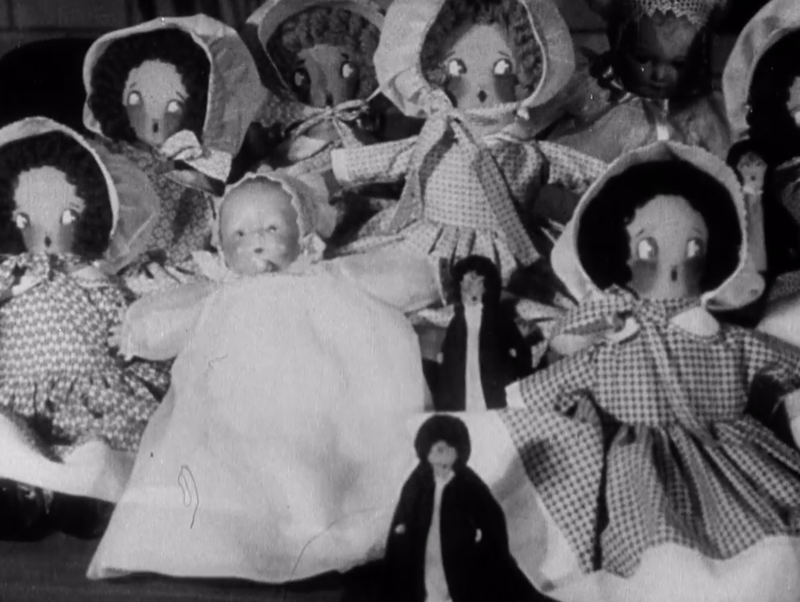
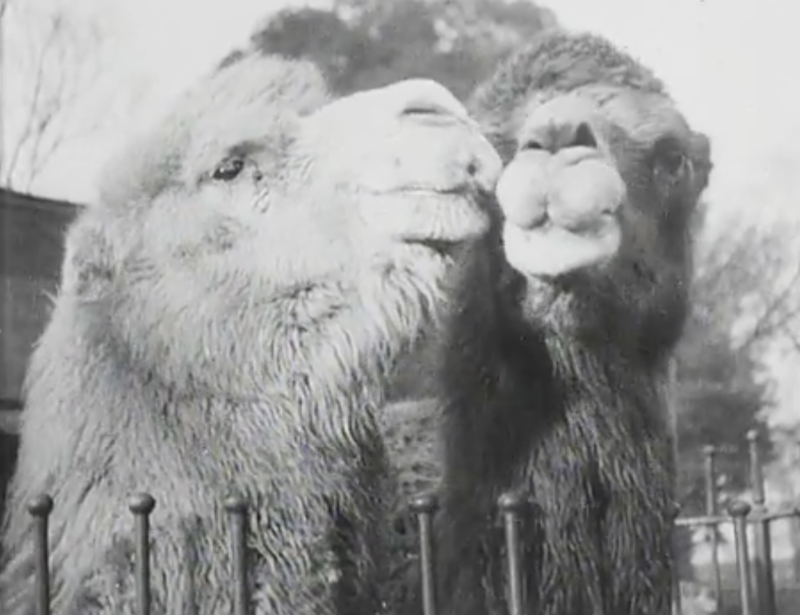
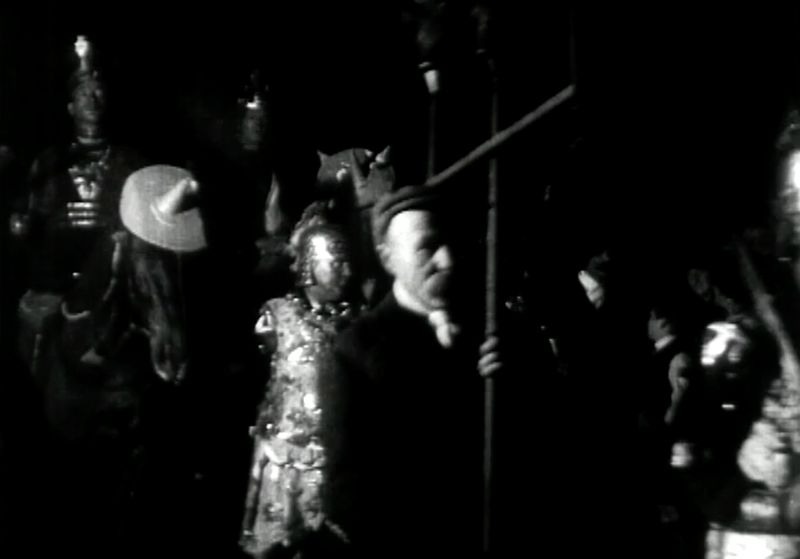
The first item here is sent to us live from Santa’s factory, featuring some slightly bored old men and women assembling toys and making some terrifying looking dolls (see above). The second item features some camels (see below) and a joke so flimsy I feel kind of embarrassed for whoever originally made it, 100 years ago.

And that’s all the Christmas news (from 1925).

__________

Notes

1. I watched these on the BFI Player (Santa; Advice)

2. Topical Budget were one of the most successful newsreel companies (after Pathe and Gaumont), making over 10,000 different films/stories between 1911 and 1931.

3. You can read a bit more about them here on the BFI site.

4. Hopefully the rest were higher quality than this bloody camels one, though.

5. Even the exclamation mark in the title annoys me a bit.

__________

Film Information

Title: Santa Claus Factory
Year: 1925
Duration: 1 minute
Watch: BFI Player

Title: Our Advice This Festive Season!
Year: 1925
Duration: 1 minute
Watch: BFI Player

Categories
This Film Is More Than 100 Years Old

Momijigari (1899)

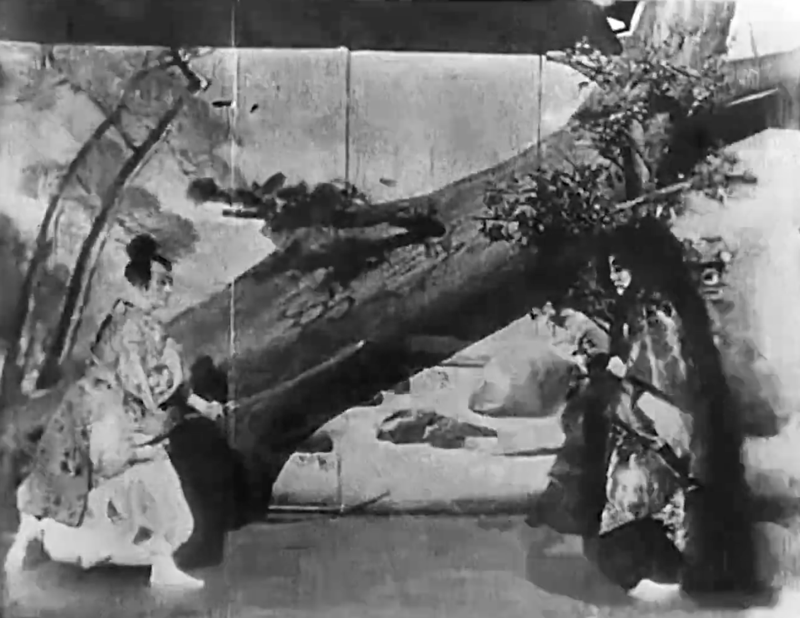
Momijigari is the oldest known Japanese film, filmed in 1899 by the filmmaker and documentarian Tsunekichi Shibata, depicting a scene from the kabuki play of the same name where a demon impersonates a noblewoman, and is later challenged to a duel. It features two of the most famous kabuki actors of the time, Ichikawa Danjūrō IX and Onoe Kikugorō V.


__________

Notes

1. I watched this on youtube

2. Also apologies for the lack of anything interesting in this review (which isn’t even really a review, is it?).

3. It’s been over a year since I wrote anything on here and I’ve forgotten how to think or feel.

4. But anyway I liked it.

5. I hope that’s okay

__________

Film Information

Name: Momijigari
Director: Tsunekichi Shibata
Year: 1899
Duration: 5 minutes
Articles: A wikipedia article about Momijigari (which is much more informative than this post)

Categories
This Film Is More Than 100 Years Old

“Please to Remember the 5th of November” – But Bridgwater Celebrates (1922)

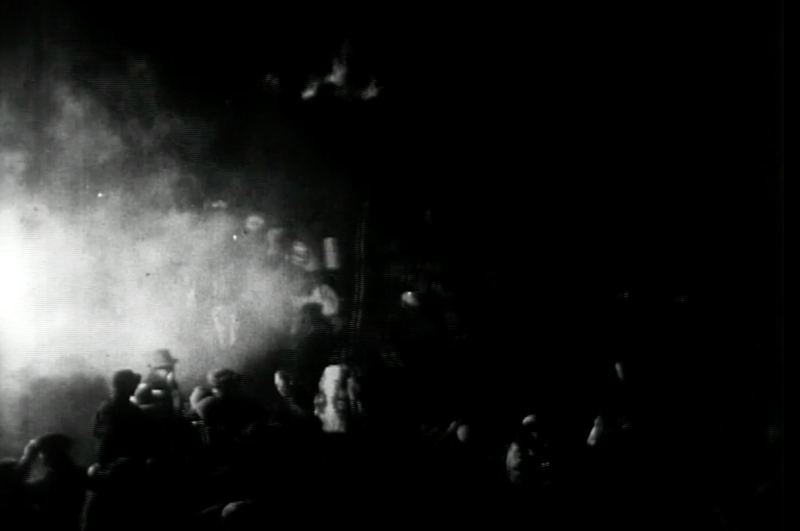
“Please to Remember the 5th of November” – But Bridgwater Celebrates is 45 seconds of wonderfully evocative documentary footage from a bonfire night carnival in Bridgwater in Somerset, in 1922.

I’ll never tire of the strange and endless beauty available by just pointing a camera at a fire and filming the smoke and the flames and the flickering light illuminating the surrounding scene. It’s lovely.

___________

Notes

1. I watched this on the BFI player

2. I was searching for halloween stuff but halloween evidently didn’t exist in Britain until the 1960s

3. At least as far as the BFI player is concerned anyhow.

4. Anyway, this all reminded me of the big huge Bridgwater willow man sculpture that I always see when I drive down to my brother’s in Cornwall.

5. Which in recent years always seems kind of forlorn, all headless and armless and bleakly sad.

6. The poor gigantic thing.

7. (It also reminded me that Bloodborne isn’t so much a fantasy game as straight up historical drama)

___________

Film Information

Title: “Please to Remember the 5th of November” – But Bridgwater Celebrates
Year: 1922
Duration: 1 minute
Watch: BFI Player

Categories
This Film Is 100 Years Old

Alice’s Day At Sea (1924) / Alice’s Spooky Adventure (1924) / Alice’s Wild West Show (1924)

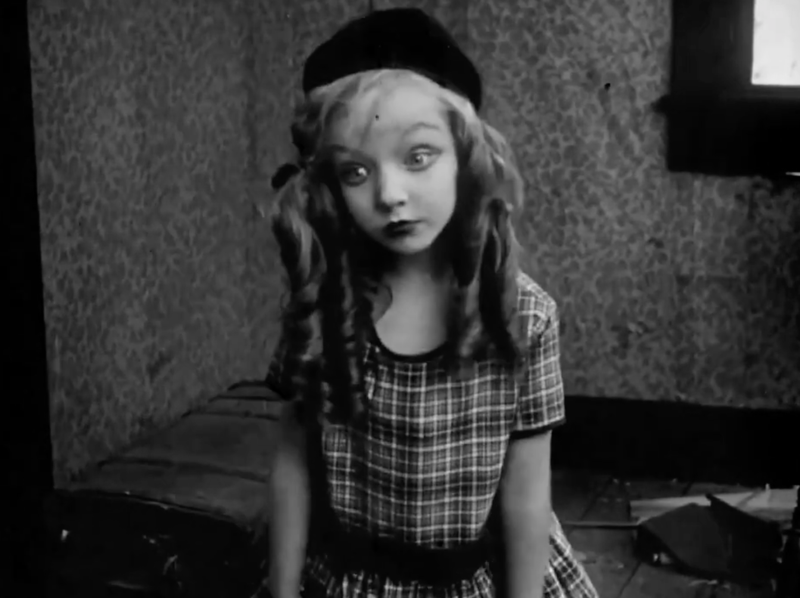
The Alice Comedies were a series of short cartoon/live action hybrids, directed by Walt Disney in the mid to late 1920s. A total of 57 shorts were made between 1923 and 1927, and these three were the 2nd, 3rd and 4th releases in the series, all coming out in the first few months of 1924.

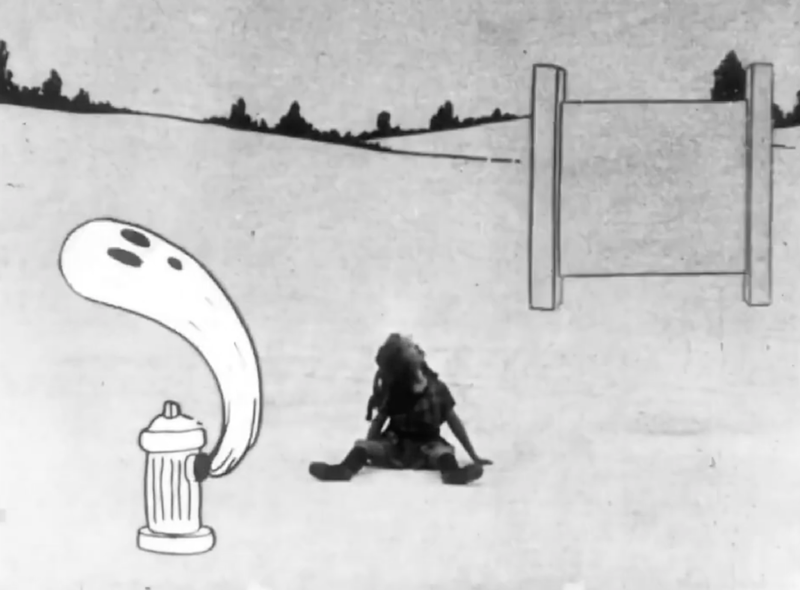
As in Alice’s Wonderland (see here), Alice repeatedly falls into a dream and has interactive animated adventures on a theme – she goes to the seaside in Alice’s Day At Sea and dreams of the living under the sea, gets trapped in a haunted house in Alice’s Spooky Adventure and dreams of ghosts, and then dresses up as a sheriff and murders some Indians in Alice’s Wild West Show. I assume that was the style at the time.

The only real change to the format in any of these is that a bunch of fairly stereotypical silent movie kids/street urchins/etc turn up in the real life segments of Alice’s Spooky Adventure and Alice’s Wild West Show, although luckily they don’t intrude on the dream sequences, as they’re all pretty tedious and superfluous, and much, much worse than any of the animals Alice is friends with.

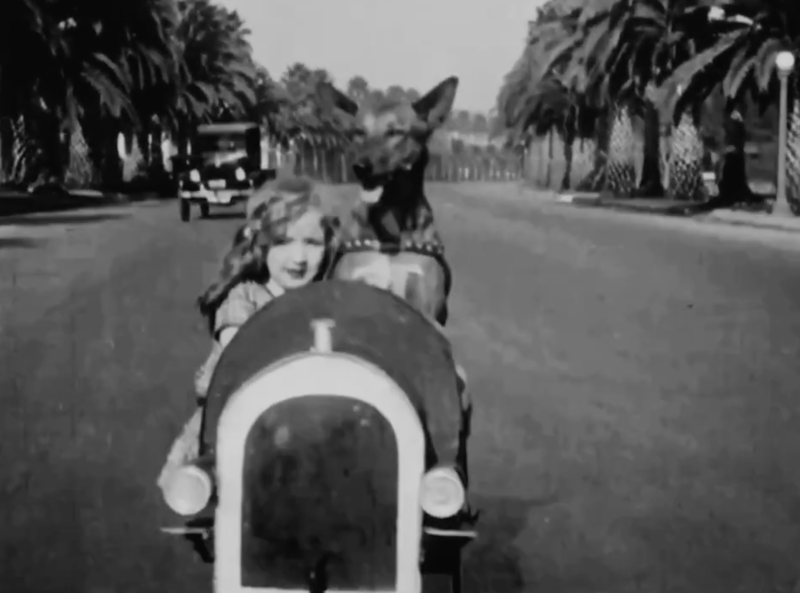
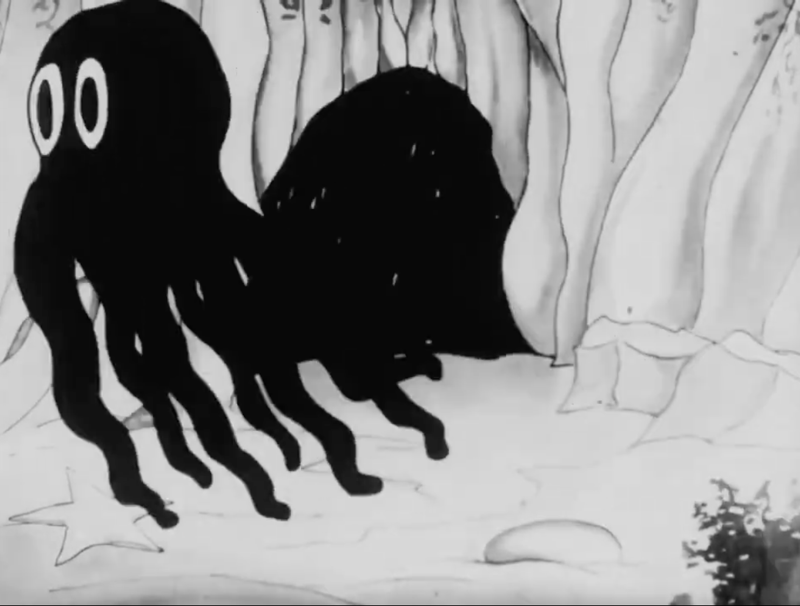
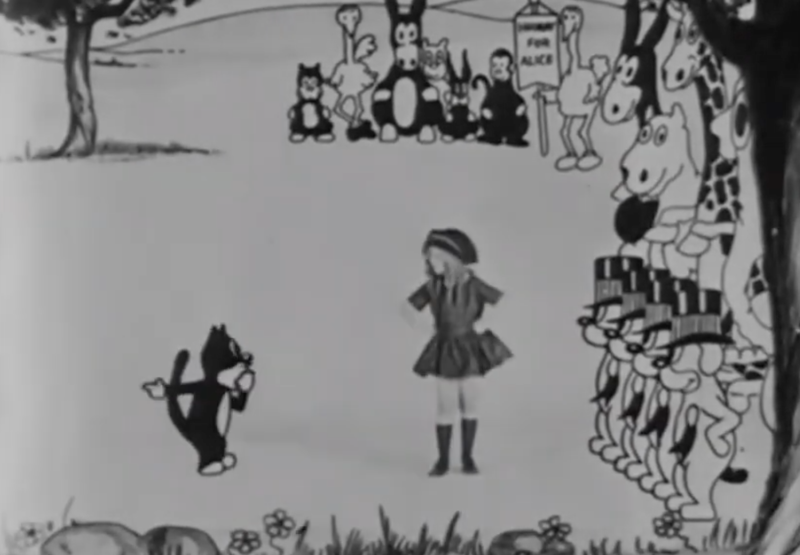
Of these three films, Alice’s Spooky Adventure is by far the best (she even gets engaged to a cat), Alice’s Day At Sea is also pretty good (she gets driven around by a dog – see above – and also there’s an amazing octopus in it – see below) and Alice’s Wild West Show is by far the worst (it takes a whole 6 minutes to even get to any of the animated action, and then it’s mostly rubbish anyway).

___________

Notes

1. I watched these on youtube. There’s various different versions on there, all of varying quality, but these were the best ones I found: Alice’s Day At Sea; Alice’s Spooky Adventure; Alice’s Wild West Show.

2. There’s another 9 or so of these from 1924, but I’m not sure if I’ll be able to think of anything much more to say about them even if I do get around to watching them all.

3. Unless the cat turns up again

4. What an excellent cat to get engaged to

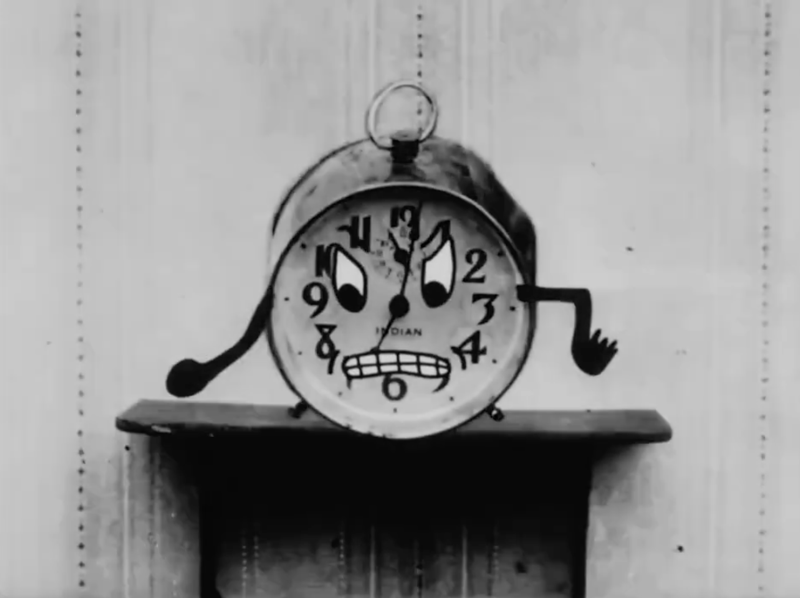
5. Also in Alice’s Day At Sea this guy pesters the dog awake

6. And I’m pretty sure he’s the clock from Don’t Hug Me I’m Scared‘s dad.

7. Man, clocks are terrifying, aren’t they?

_________

Film Information

Title: Alice’s Day At Sea
Director: Walt Disney
Year: 1924
Duration: 10 minutes
Watch: youtube
Title: Alice’s Spooky Adventure
Director: Walt Disney
Year: 1924
Duration: 9 minutes
Watch: youtube
Title: Alice’s Wild West Show
Director: Walt Disney
Year: 1924
Duration: 13 minutes
Watch: youtube
Categories
This Film Is 100 Years Old

Alice’s Wonderland (1923)

The Alice Comedies were a series of short cartoon/live action hybrids, directed by Walt Disney in the mid to late 1920s. A total of 57 shorts were made between 1923 and 1927 (although about a quarter of these have since been lost), all of which were directed and produced by Disney, and their success helped launch the Disney studio.

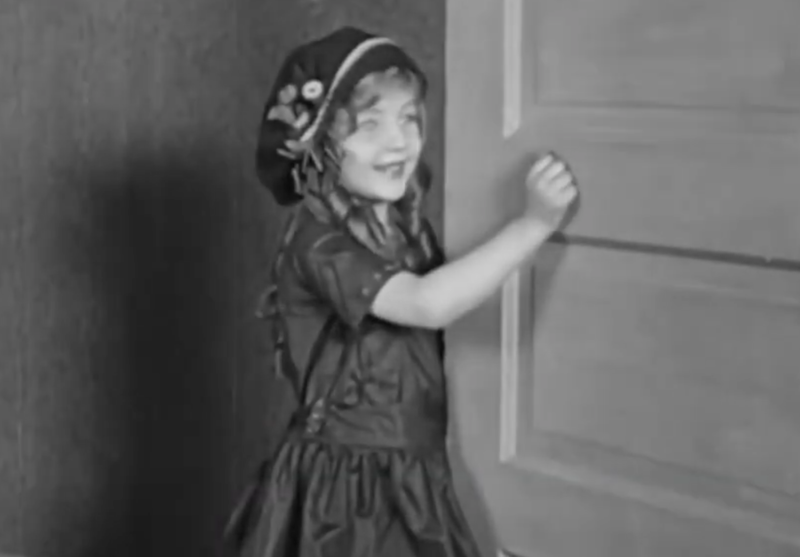
Alice’s Wonderland was the first of these, and essentially remained the template for the rest of the series. In the first half of the story, Alice, a precocious girl in the standard silent film style (and played here by Virginia Davis, although various other actors played the role in subsequent episodes), decides to visit Walt Disney in his studio, and watches him drawing cartoons at his desk, which of course then animate themselves on the page, much to her delight (and ours).

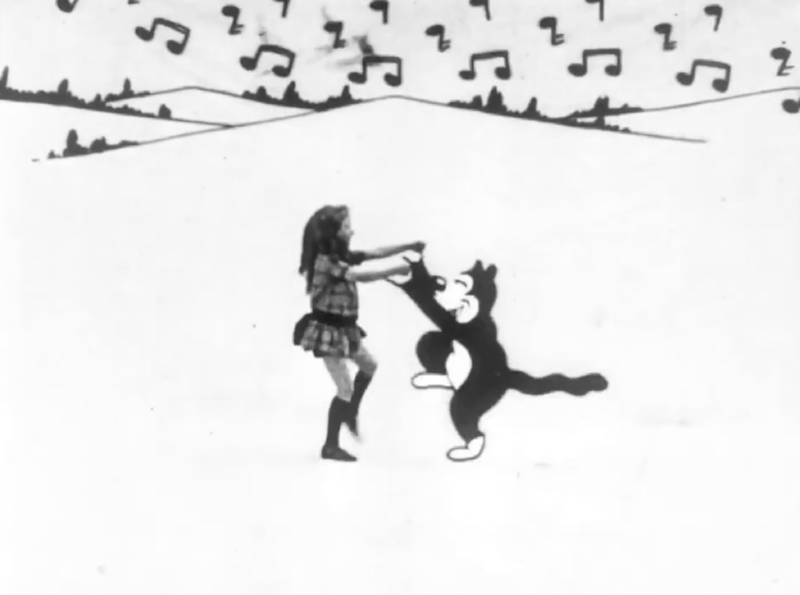
In the second half of the episode, Alice falls asleep and wakes up in an entirely cartoon world, flipping the animations in the real world conceit of the first section on its head. Here she dances with cats and gets chased by lions, before eventually waking up safe and sound in her bed. THE END

(And it really was the end, as Disney’s Laugh-O-Grams studio went bust after completing it, and Walt was never heard of again.)

___________

Notes

1. I had a free month or two of Disney+ recently, so thought I’d watch all the earliest Disney stuff on there.

2. But they weren’t on there.

3. Obviously being in the public domain means Disney has no interest in them any more.

4. So I had to watch them on youtube instead.

5. Which at least meant I could get screenshots of them I suppose.

6. Also, it’s kind of easy to forget, due to the ubiquity/uniformity of the eventual Disney brand, but Walt Disney really was kind of a genius at first.

7. Before he succumbed to instead simply being fully evil.

8. These must have been hellishly complicated to make.

9. And yet he cranked out a trillion of them all in a row (57)

10. Before abandoning this sort of cartoon/live action hybrid until Mary Poppins, I suppose.

11. Almost makes you wonder why it wasn’t Disney who made Who Framed Roger Rabbit really.

__________

Film Information

Title: Alice’s Wonderland
Director: Walt Disney
Year: 1923
Duration: 12 minutes
Watch: youtube