
__________
Notes:
1. Written on June 29th, 2008
__________
Notes:
1. Written on June 29th, 2008
__________
Notes:
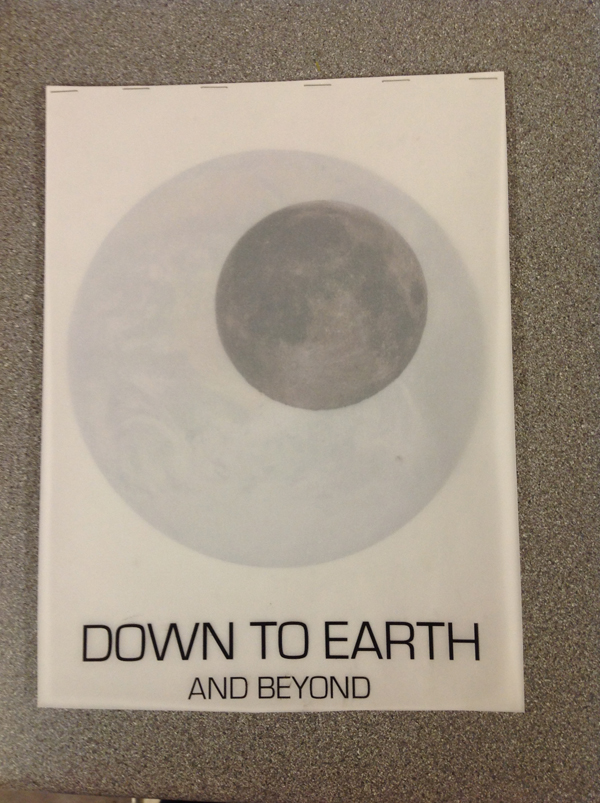
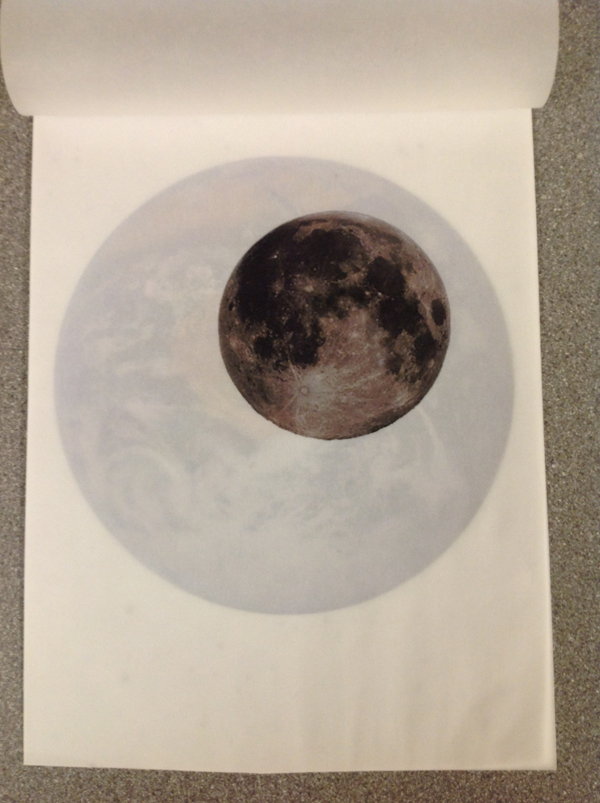
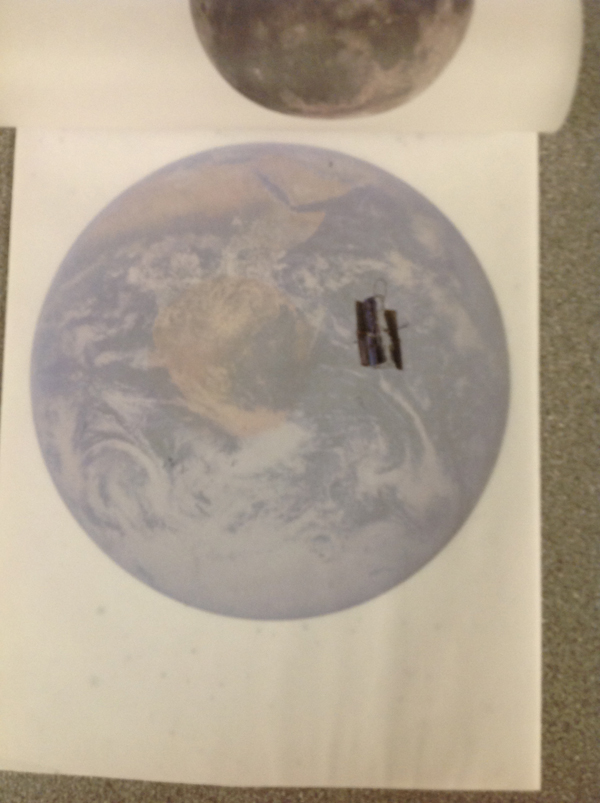
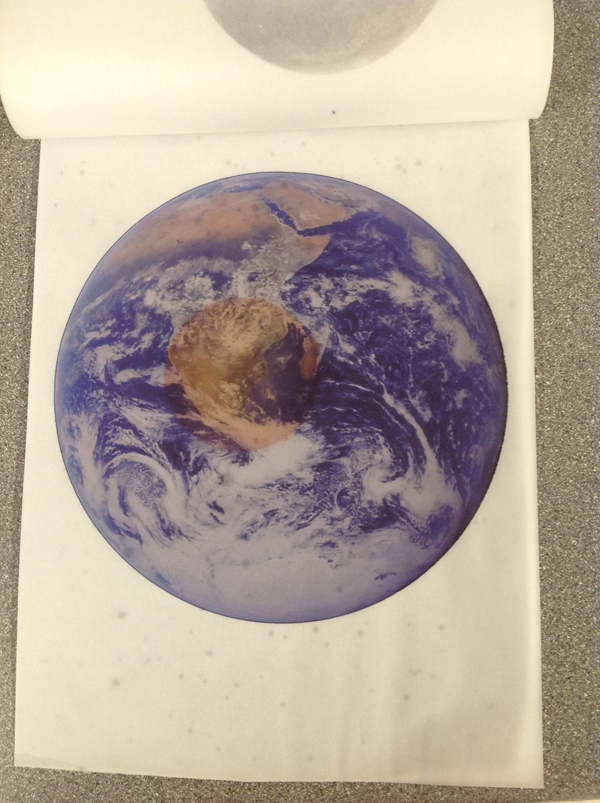
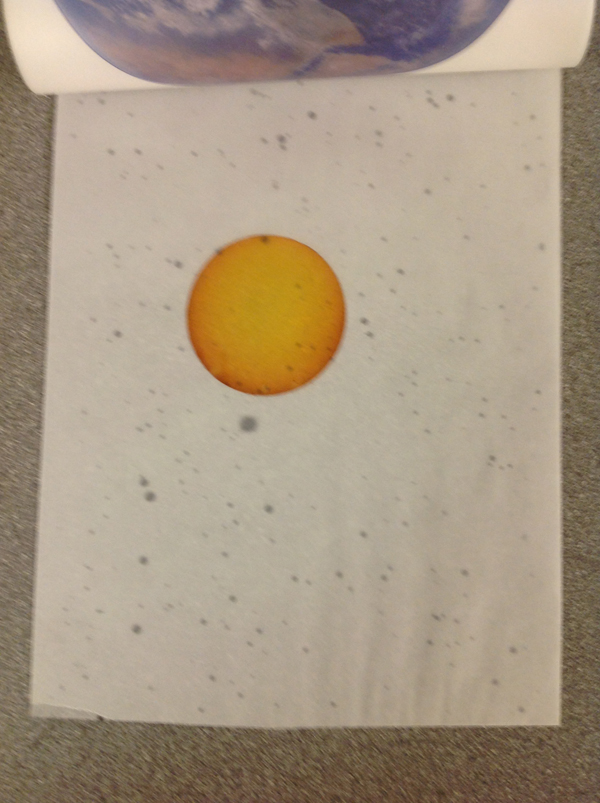
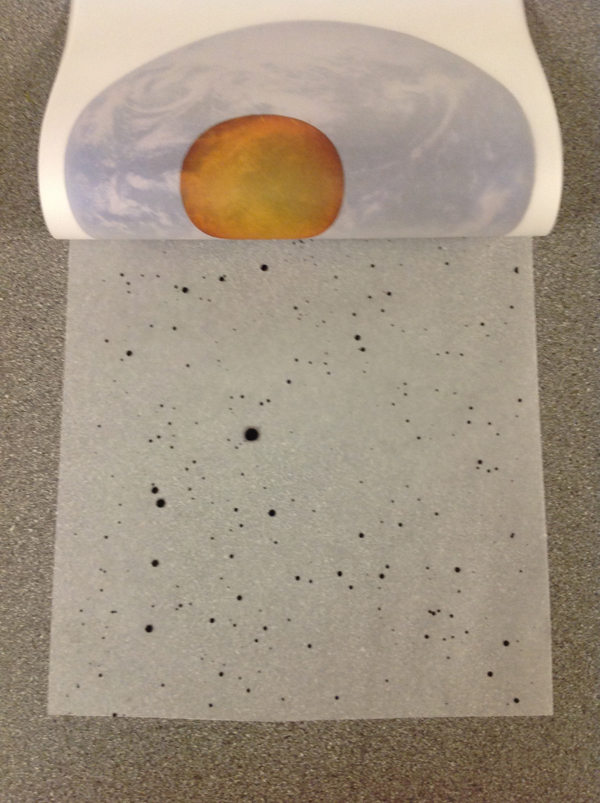
1. This was made on August 19th, 2013
2. This was an attempt to make a book of overlays
3. But unfortunately I only had tracing paper
4. So it didn’t really work
5. The images were all stock images from nasa
6. Which I stole
7. I suppose
8. A little while after making this I got One Night Far From Here, by Julia Wauters
9. Which uses overlays really beautifully
10. (With acetates, rather than tracing paper)
I first heard this story from my aunt, when I was about fourteen or so.
We were making jam in the garden out of old plums, my aunt, my sister and me, all of us stood around the kitchen table we’d dragged out there for the afternoon, our hands stained yellow and brown, the knives slippery in our fists.
“When I was little,” she said, as if it had actually happened to her, as if it was actually true, “when I was little, not much older than you two, we lived in Mundon still, your mum and me, at your grandparents’ old house, that you probably don’t remember,” she said to my sister, “and that you definitely won’t,” she said to me, “in the months between your grandparents dying and us all having to leave. But I worked here in Maldon.
“I had to walk through the woods to get to work,” she said.
“There aren’t any woods,” I said, “not near here.”
“There were then,” she said. “They were here, here and all the way down the road, before the towns began to sprawl towards each other, and everything was thinned out a bit and made plain.
“I walked through the woods because it was quicker than the road, and it was nicer, too. And safer, I thought, away from the trucks on the road that threatened to knock you into the bushes, leaving you caught there in the branches like an old carrier bag tattered into wisps in the wind.
“What’s that? Yes, of course we had carrier bags then.”
(The way I’m telling it, and the way I remember it, was that it was me making these interjections, but it was almost certainly my sister, for she always understood that stories are a collaborative thing, dialogues rather than monologues, while I was content just to listen, to learn.)
“The path was always overgrown, in the summer, in the spring,” my aunt almost sung. “We hung a sickle on a hook by the stile at the edge of the woods, and you’d take it with you when you walked your way along the way, and you would hack away at the brambles and the branches that got in your way, and you’d leave it at the other end of the path when you’d gone all the way through, so that someone else could use it when they went back the other way.
“I don’t know if I was the only one who walked the path or the only one that had the good grace to keep the path, but the sickle was always there waiting for me, in the morning, in the evening, in the lateness of the night if I’d been out. But I was a big girl even then. Especially then,” she laughed. “All that lifting at the warehouse did wonderful things for your arms. I wielded that sickle like a bloody scythe.
“A stream ran through the woods, winding back and forth across the path so that I had to cross three bridges. And on my way home one day I met the devil on every one.
“At the first bridge he looked at me and said, ‘Let me have a kiss, and only then will I let you pass.’ And so I gave the devil a kiss and I crossed the river and continued on my way.
“At the second one he was there again. ‘Let me…’ Well,” my aunt laughed, “‘Let us,’ he said, ‘let’s fuck, and then and only then will I let you continue on your way.’ So I stood against the tree and let the devil have his way. And a very good way it was, I’ll have you know. A very good way indeed,” my aunt laughed.
And my sister blushed and so I expect did I.
“At the third bridge,” my aunt said, “there he stood again. He waited until I was near and then he said ‘We’ve kissed, you and I, and we’ve loved, so now all that’s left is for us to marry.’ ‘And then you’ll let me continue on my way?’ I asked. ‘Of course,’ he said. ‘Of course.’
“And I know I was young, and I know I was stupid, but really, I thought. Really. What did he take me for? So I told the devil to give me his hand, and he held it out for me to hold.
“I swung that sickle down so hard it went clean through his palm and pinned him to the bridge.”
My aunt held up a plum between her fingers and sliced it apart with her knife. She picked the stone out with the tip of her blade, then threw the halved plum into the pot.
“And,” she said, “I went on my way.”
__________
Notes:
1. Written in July, 2014
I have a story, The Man Who Left, in An Outbreak Of Peace: Stories and poems in response to the end of WWI, a new anthology of short stories commemorating the 100th anniversary of the end of the first world war.
“November 2018 marks the centenary of the end of World War I. After all the commemorative works of art over the past four years, we felt it was important to reflect on what comes after – an outbreak of peace, and what that meant to the combatants and those left at home. This wide-ranging collection brings together stories and poems from many countries, on both sides of the 1914-18 conflict, finding their inspiration in many wars and their endings; together with stories and poems which are not about war at all, which is as it should be.”
There are two launch events for the book, one in London on November 14th (Housmans Bookshop, King’s Cross, 7pm), and one in Manchester on November 30th (Blackwells bookshop, near the Arthur Lewis Building at The University of Manchester, 6:30pm).
___________
Notes:
1. An Outbreak Of Peace is published by Arachne Press, and is released on the 8th November, 2018.
2. And is available in paperback and ebook
3. I also had a story, The King And The Light, in Liberty Tales, another anthology from the same publisher, which was published in 2016.


__________
Notes:
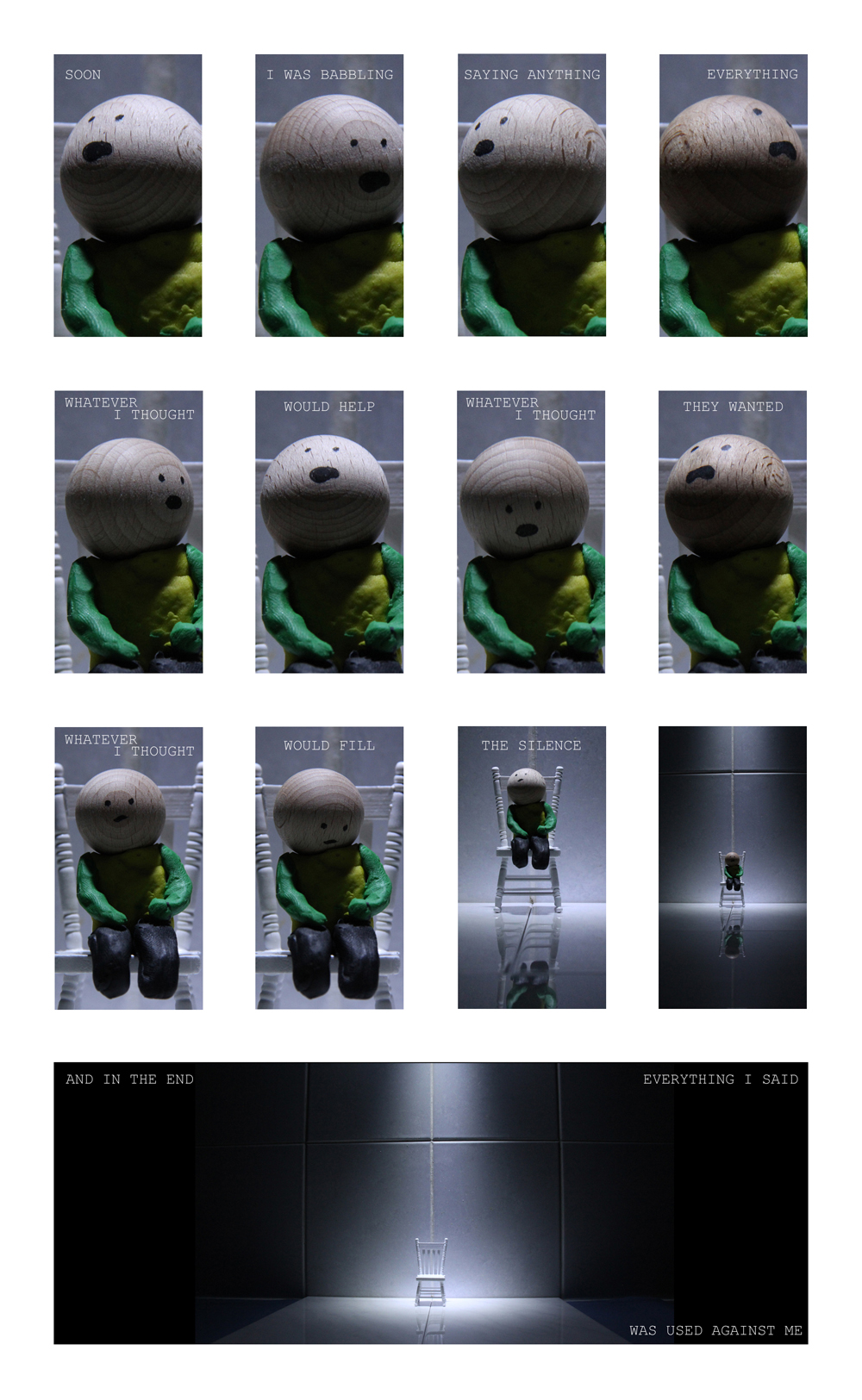
1. Written during August and September 2018
2. You can click on the images to see each page at full size
3. The text looks nicer if you do
4. And the pictures clearer