The Museum Of Everyday Items (to be renamed The Museum Of Obsolete Objects in 2066) is a small collection of common yet otherwise unremarkable artefacts from contemporary Britain. All items were collected on June 23rd, 2016, at the moment of their use. They were kept in storage until the opening of the museum on June 23rd, 2026.
Currently only available online, it awaits a permanent real world home.
The Collection
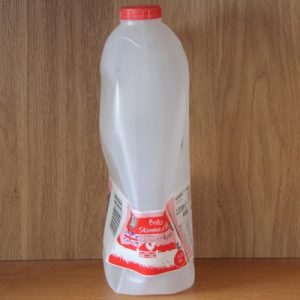
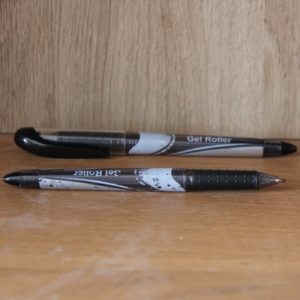
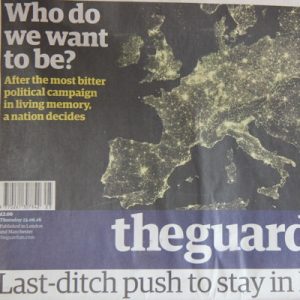
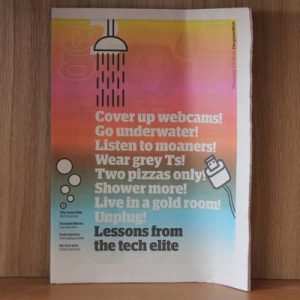
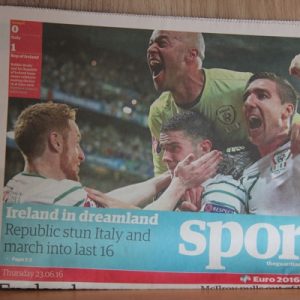
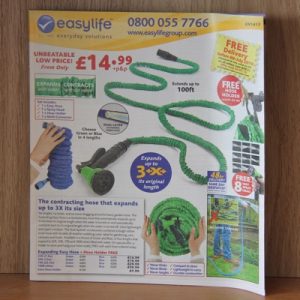
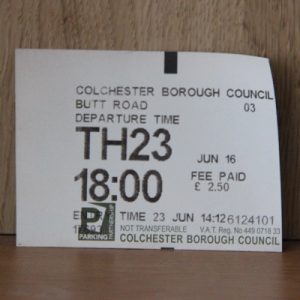
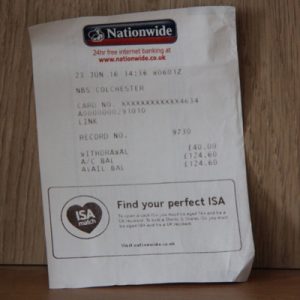
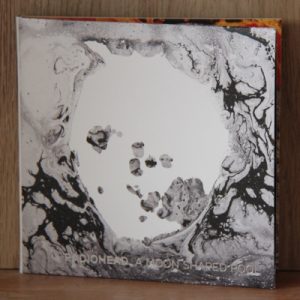
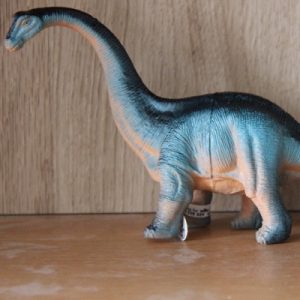
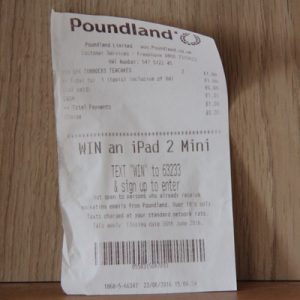
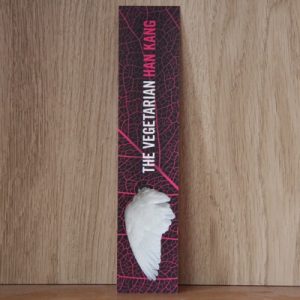
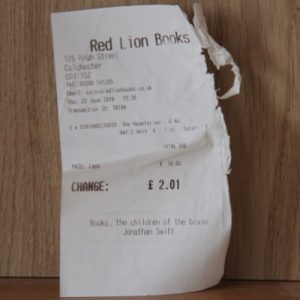
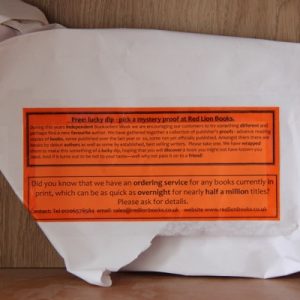
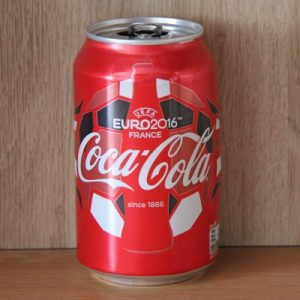
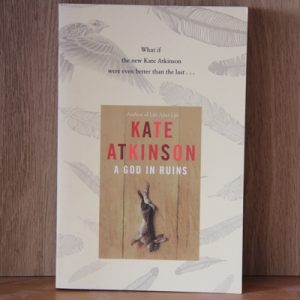
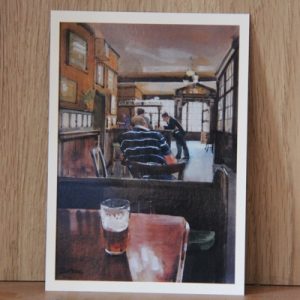
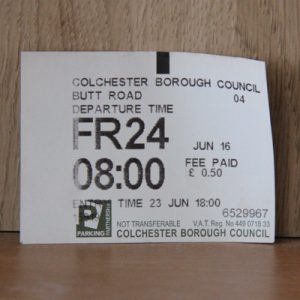
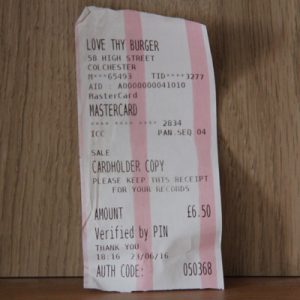
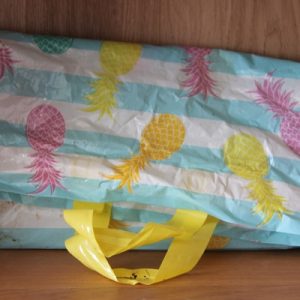
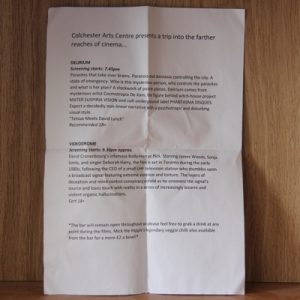
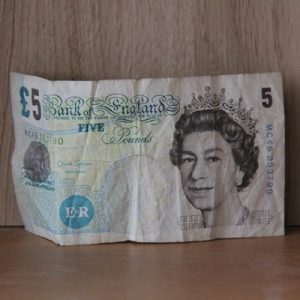
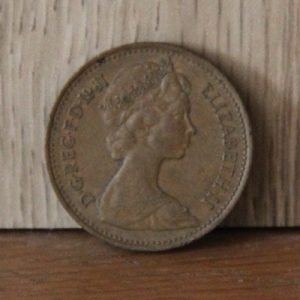
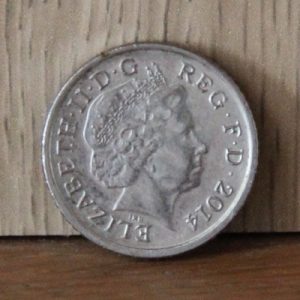
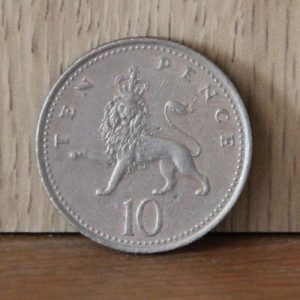
There are 36 objects in The Museum Of Everyday Items. To learn more about the items in the collection, please click on the images below.




About The Museum
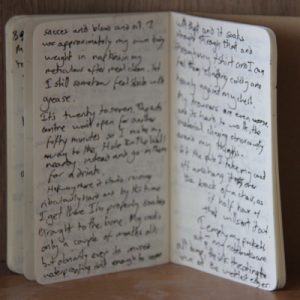
The Museum Of Everyday Items (to be renamed The Museum Of Obsolete Objects in 2066) is a small collection of common yet otherwise unremarkable artefacts from contemporary Britain. All items were collected on June 23rd, 2016, at the moment of their use. A diary of the day [#036] kept by the curator of the museum places the items in their appropriate historical context.
The items were kept in storage until June 2026, when they were photographed and catalogued for the opening of the museum on June 23rd, 2026. A handful of contemporary notes were added to each item which reflect the curator’s current thoughts rather than those of the day in question. Further observations on the items will be recorded on June 23rd, 2036, and at ten year intervals ever after, or at least until the curator forgets and/or dies.
Purpose Of The Museum
The primary purpose of The Museum of Everyday Items is simply to provide a permanent record of some the artefacts we use and encounter in a relatively normal day, and present them in a way which reflects their prevalence in everyday living. Of course even here, having collected items such as food packaging and receipts which would normally be discarded, there are still many omissions (clothes, crockery, cutlery, are all conspicuous by their absence). But still, I think keeping (and in displaying here, actually looking at) items such as cash machine receipts and carrier bags is interesting, at least on some level.
A secondary idea behind this was the thought of telling the story of a day in its entirety. Even now in an environment of near ubiquitous social media coverage of every aspect of our lives, we pick out moments to share, shorn largely of context (or even, perhaps most often, with the context purposely obscured or misrepresented entirely). This museum therefore presents a day as a day, each artefact here presented as evidence of the reality of the attached narrative [#036].
Thirdly, I’ve always been interested in how, while the objects themselves don’t change, our perceptions of them do. This is often clearest in old photos, where what was once the subject of the photo (the people in it, usually) becomes less interesting over time, while the background itself achieves the reverse and becomes endlessly fascinating. Old furniture, wallpaper, the clothes worn, technology, toys, shop signs, adverts. All the things that were transitory, momentary.
So here we get a snapshot of 2016 where all the things are items from that periphery. Receipts from shops that no longer exist, items that have either become or are becoming obsolete through changing consumer habits (CDs, newspapers) or legislative changes (carrier bags) or simply the passing of time (actual paper £5 notes). And through it all still the reassuring ever unchanging presence of Tunnocks Tea Cakes.
Finally, and perhaps least interestingly, this is about Brexit, obviously. But for better analysis of that, I would advise you to read this commemorative celebration of the event.
Further Reading
If you enjoyed this archive of the mundane, you might also be interested in Essex, England, May 2003, a photo diary containing the first month’s worth of photos I took with my very first digital camera (in May 2003)
Also, I was going to say that one of my inspirations in making this museum was the wonderful Below The Surface collection in Amsterdam, where every single object collected from various canals round the city were put on permanent display, but as far as I can tell I only read about that in 2018 (here), two years after I collected the items here. So who knows what I was thinking back then. The lesson here is never trust the memories of your own mind.